In his celebrated poem “Easter, 1916,” William Butler Yeats wrote the words “changed, changed utterly.” Nowhere do those words seem more appropriate than Belfast, where the city is hosting its first Fleadh Cheoil, the largest festival of traditional Irish music in the world.
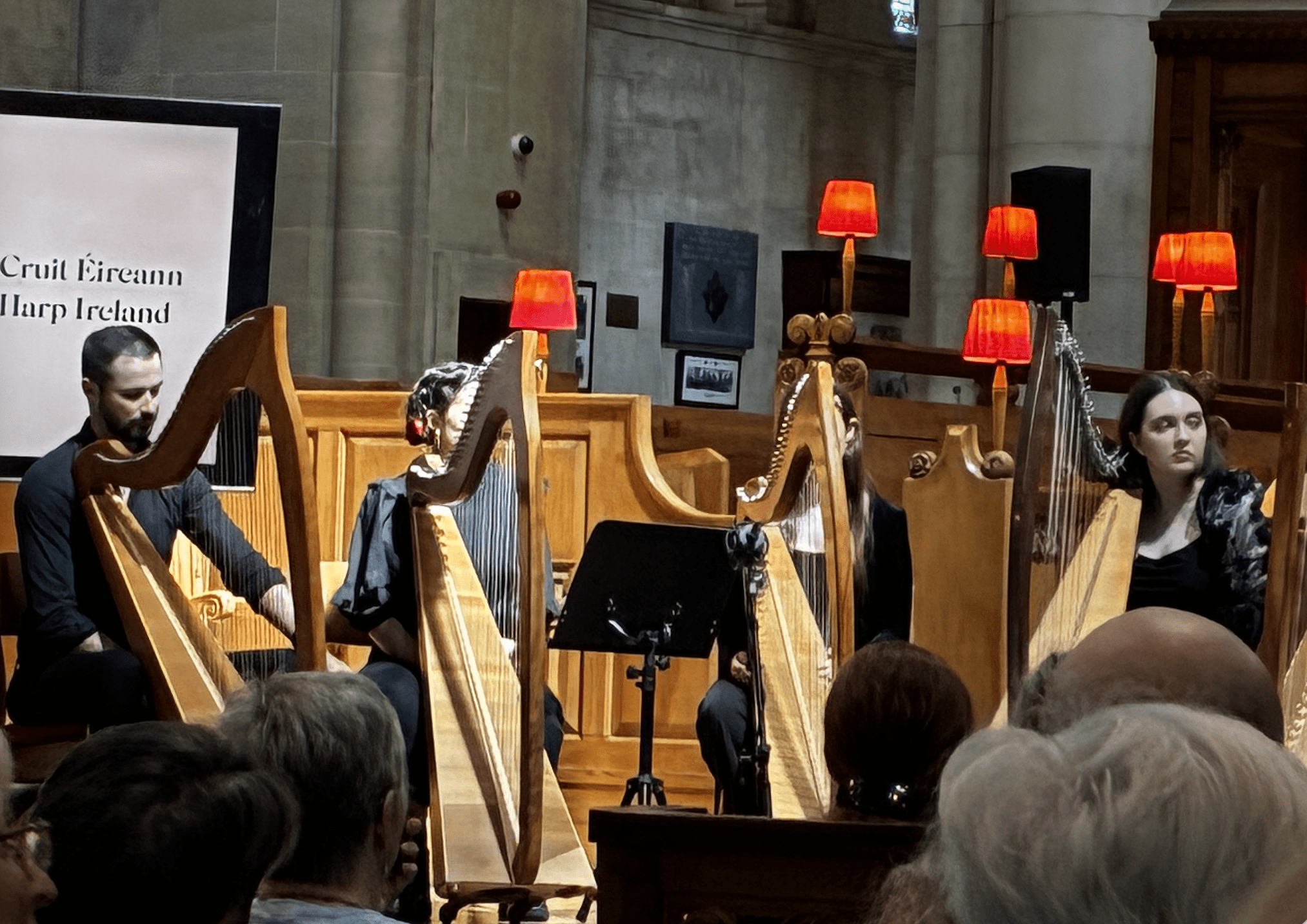
The Fleadh Cheoil is an annual festival and competition organized by Comhaltas Ceoltóirí Éireann, an organization founded in 1951 by traditional musicians and advocates of Gaelic culture who sought to promote Irish music, dance and language.
For those of us who knew Belfast decades ago, the city’s transformation can be startling. For much of its history, Belfast’s official civic identity was overwhelmingly British and unionist, while the history and culture of its nationalist population was marginalized.
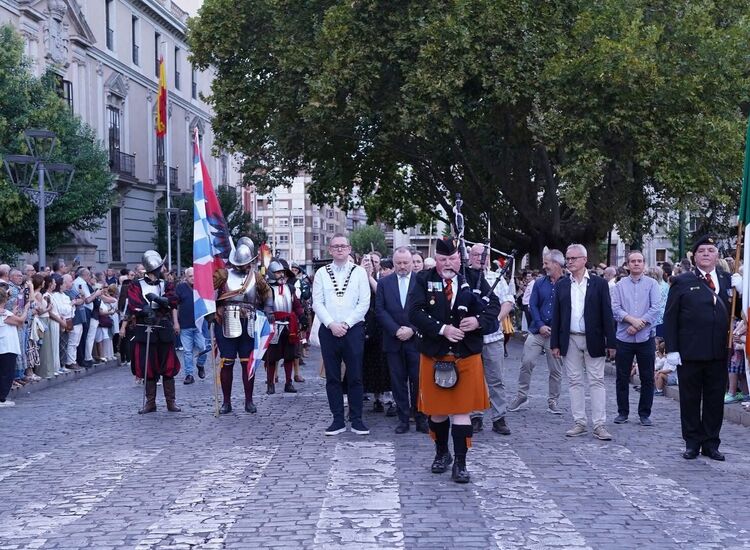
That makes the scenes during the Fleadh all the more remarkable. Belfast’s nationalist community is openly and proudly celebrating its musical heritage, while hundreds of traditional musicians have descended on the city. In places, with music spilling out of pubs and venues and crowds filling the streets, the atmosphere feels closer to New Orleans than the Belfast I once knew.
Belfast is also the first UNESCO City of Music to host the event. It is well equipped for the occasion, with dozens of music venues ranging from the SSE Arena and historic Ulster Hall to smaller venues throughout the city.

But for me, the most striking venue is Belfast City Hall.
For more than a century, City Hall stood at the symbolic heart of unionist Belfast. In September 1912, Sir Edward Carson addressed an enormous gathering there during the campaign against Irish Home Rule, as the Ulster Covenant was signed across the province. The building consequently acquired a powerful place in unionist political memory.
More than seven decades later, in 1985, City Hall was again the setting for one of the largest unionist demonstrations in Northern Ireland’s history. Tens of thousands gathered to oppose the Anglo-Irish Agreement, which gave the Irish government an advisory role in Northern Ireland's affairs. Huge “Ulster Says No” banners hung from the building as Ian Paisley addressed the crowd.
Against that history, the sight and sound of traditional Irish musicians performing at City Hall carries an extraordinary symbolism.
Several performers entertaining the Fleadh crowds have remarked on the significance of playing traditional Irish music in a place that was once so closely identified with unionist political power. Yet perhaps what is most significant is how unremarkable it seems to many of the younger people enjoying the festival.
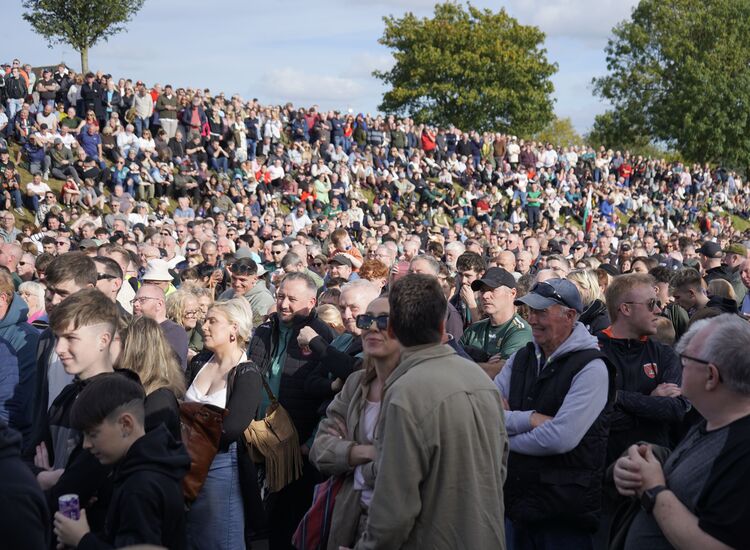
The Fleadh was initially expected to attract around 800,000 visits, but organizers now anticipate that attendance could surpass one million. The economic impact is considerable as well. Hotels have been packed and businesses throughout the city have benefited from the influx. The BBC reported estimates that the event could contribute approximately £53 million to the local economy.
Yet the economic figures tell only part of the story.
As someone who knew Belfast during the Troubles, I am struck by sights that would once have been difficult to imagine. Young people walk through the city center wearing GAA jerseys and Celtic shirts without attracting particular attention. Decades ago, displaying such symbols in parts of Belfast could invite confrontation. Today, amid the Fleadh crowds, they are simply part of the landscape.
The Belfast I have returned to is different in other ways too. It is far more multicultural than the city I remember. African, Middle Eastern, Eastern European and Asian communities are now part of everyday life, and a multitude of languages can be heard in the city center. Tourists fill the streets, following local guides who explain Belfast’s complicated history to visitors from around the world.
Perhaps the greatest surprise, however, is simply the mood.
During the Troubles, Belfast could be a grim and anxious place. During the Fleadh, joy seems to permeate the city. Music pours into the streets. Strangers stop to listen. Crowds gather without apprehension. Children carrying instruments weave through a city whose name, for much of my lifetime, was known internationally more for conflict than for music.
That may ultimately be more important than visitor numbers or economic impact.
The significance of the Fleadh is not that Belfast has somehow ceased to be British and become Irish. Belfast remains a city of different identities, histories and loyalties. The more profound change is that expressions of Irish culture that once seemed politically charged can now occupy some of the city's most prominent civic spaces.
City Hall has not ceased to be part of unionist history because traditional Irish musicians perform there. Instead, the meaning of the building—and perhaps of the city itself—has become broad enough to accommodate more than one tradition.
Many people I have spoken with believe that future generations will look back on this Fleadh as a turning point in Belfast’s history: a moment when a newer and more inclusive city became visible to itself.
Yeats’s famous words were written in a very different Ireland and about a very different kind of transformation. But walking through Belfast amid the music and crowds, it is difficult not to think of them.
Changed, changed utterly.
And, this time, beautifully so.