There is nothing that sets an Irish American heart racing quite like a debate about Irish unity.
Indeed, since Irish America played its crucial role in delivering peace to Northern Ireland — an outcome which was as pleasing to Ireland’s “exiled children” as it was to the people of all of Ireland and Britain — there has been growing support in this community for the long-held dream of Irish unity.
And now that the two most powerful leaders in the Irish Government — Taoiseach Micheál Martin and Tánaiste Simon Harris — have pinned their colors to the mast in regard to forging a path to a reunified island, the Irish people will be expected to answer hard questions about the form Irish unity might take.
These will include: Will the new Ireland have a federal structure with some powers delegated to the Northern Ireland Assembly?
Will there be one or two education systems in a united Ireland?
What will be the relationship, post-unity, between Ireland and NATO – given that Northern Ireland, as part of the United Kingdom, is now allied with that security bloc?
But be in no doubt that Irish Americans have views on all those issues and their views too must be respected - especially if the U.S. is to e expected to act as guarantor to the agreement which will underpin unity.
Of course, there will be hard questions specifically too for Irish Americans and for the U.S.: How, for example, can Irish America help throw the financial heft of the U.S. behind the undoubtedly mammoth task of building the motorways, high-speed rail, ports and electricity grids to underpin the ‘merging’ of north and south Ireland?
And will the U.S. modify its immigration laws to enable young Irish men and women in a reunited Ireland to go west in search of the American dream?
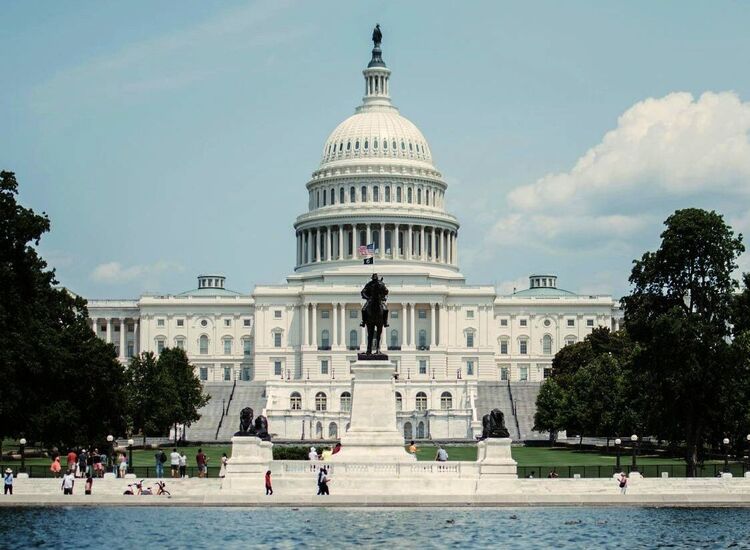
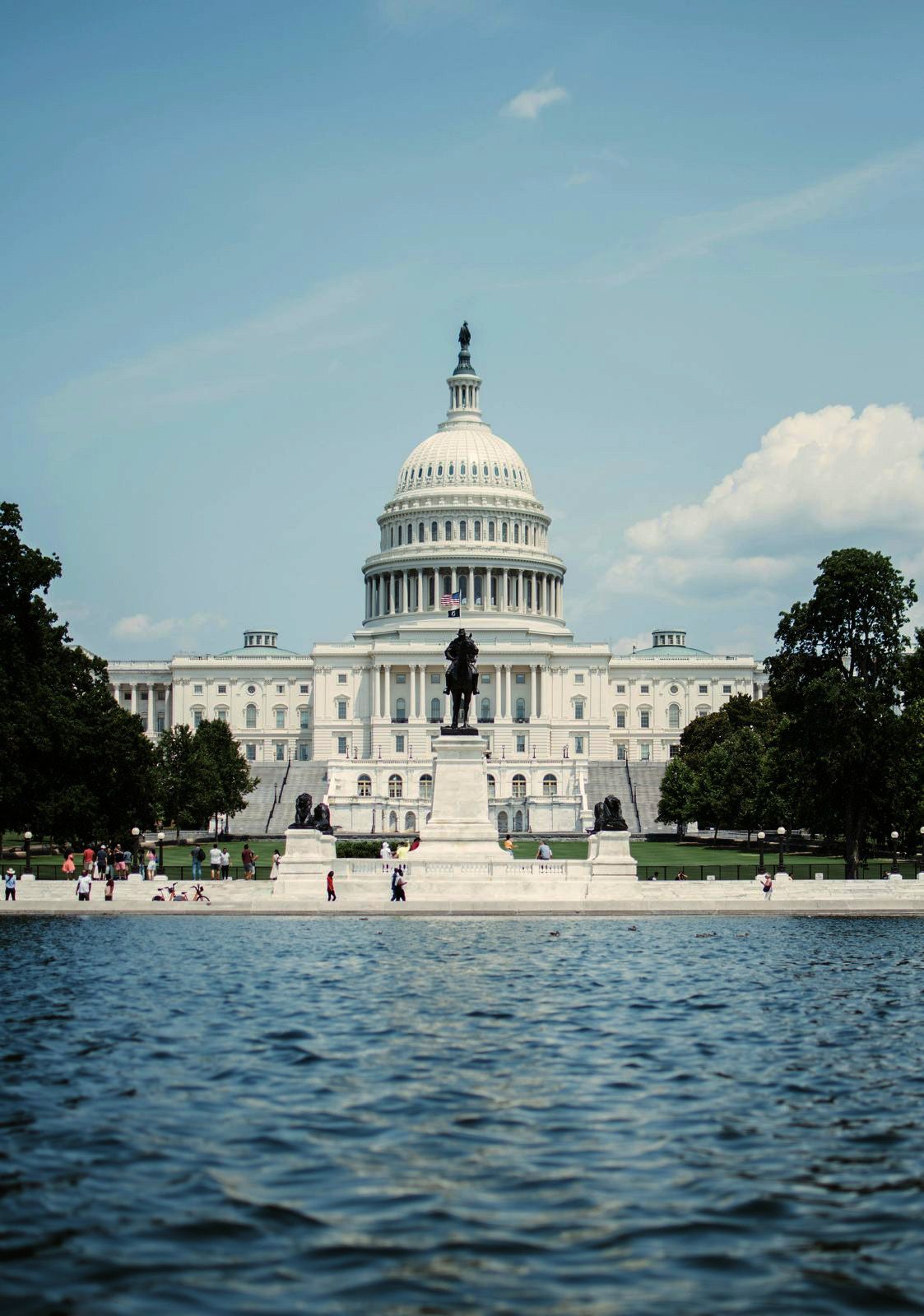
All these topics will be explored in next week’s Capitol Hill forum on ‘Irish America, Congress and Constitutional Change in Ireland’ as Irish Americans step up to meet this new era ushered in by the Irish Government’s fresh approach to the uniting Ireland debate.
And let no one think that Irish America has only a bit-part to play in this unfolding debate.
For the reality is that many of those gathering next week in Washington D.C. are Irish citizens — though, mostly, not born in Ireland — who will expect to be allowed to vote in the Referendum on Irish Unity when it is called.
If the Irish Government finally delivers on its 2013 pledge to extend the franchise to the global Irish family, the vote of the Irish American diaspora will be equal in weight to that of the citizens of both Northern Ireland and the Republic of Ireland.
As new vistas open up, it’s possible that some of our readers will not just get to realize the dream of a United Ireland but to actually vote for it.
That would, indeed, be a full circle moment for the Irish of America.