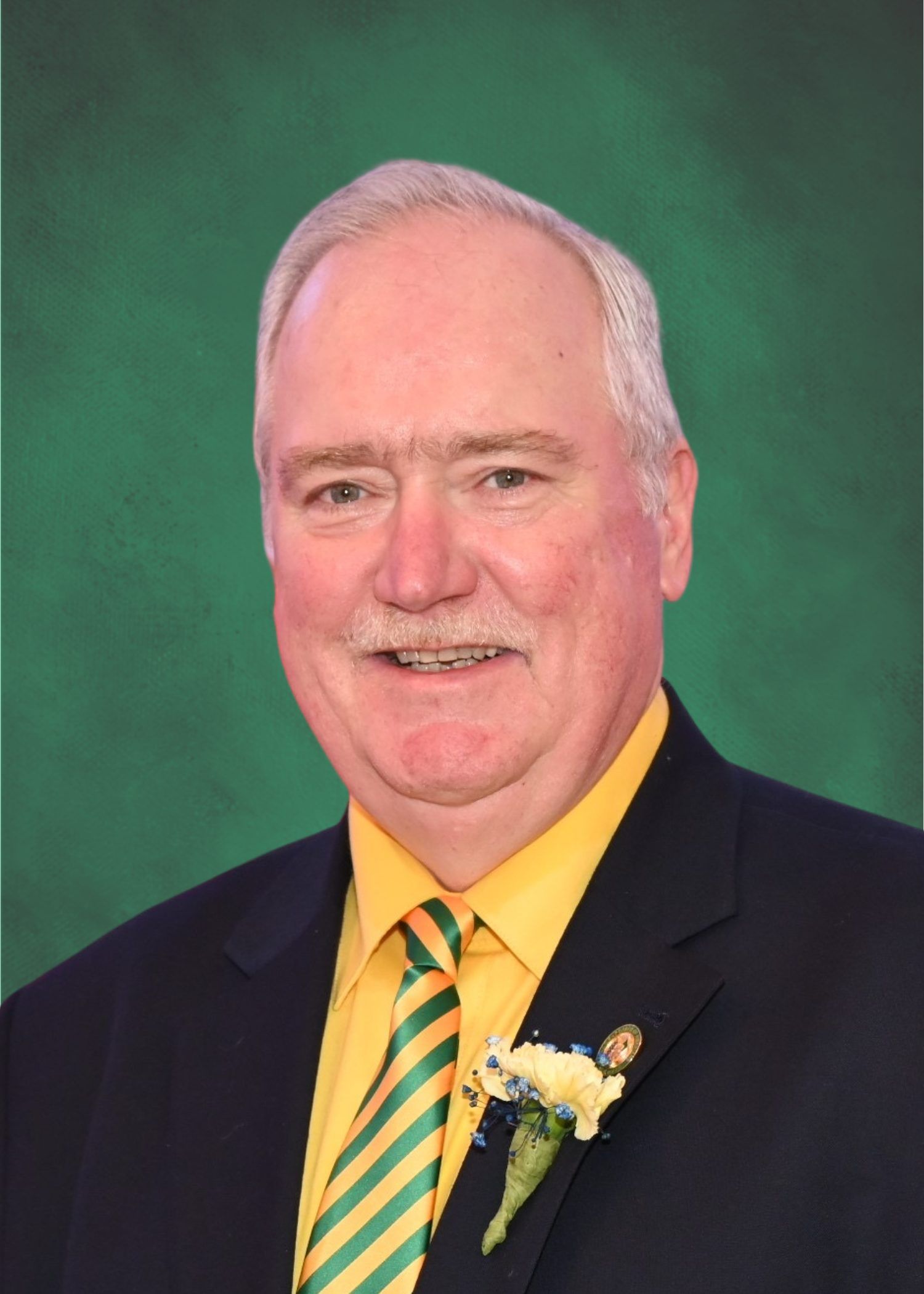
The Ancient Order of Hibernians National President Seán Pender has welcomed the decision by the British Secretary of State for the North of Ireland, Chris Bryant, to prohibit the proposed Orange Order march along the Garvaghy Road.
Speaking from the Garvaghy Road, where he met with the Garvaghy Road Residents Group, Mr. Pender said: “This week I have been in Ireland (see report on Page 4) meeting with Executive ministers, business leaders and community groups speaking about the Good Friday Agreement and progress in a New Ireland, however all of those events and conversations were framed by the context of the proposed march at Drumcree in County Armagh and the experience of the community living on the Garvaghy Road.
“I was honored to sit in the Garvaghy Road and listen to those residents, where it became clear that there were two themes. The first was context. Understanding the context in which these residents live is essential for us to understand why protecting the rights, and lived lives of these residents, and all citizens in the North of Ireland is so important.
"The Portadown Orange hold 51 marches in the area throughout the year, without opposition or contest. This proposed march was clearly provocative, and in the words of Linda O’Neill from the Residents Association, a 'clear over-reach.' It is instructive that the minister at Drumcree Church stated he does not want the Orange Lodge to march this route and does not want them there at a vigil, has closed the doors of the church to them, and has made clear that he does not see them as participating with the congregation.

“Residents spoke about the progress of their community over the past 28 years when this one march has been banned. There was a time when the Irish residents in this enclave had to travel outside of the area to celebrate and express their culture, this is no longer the case. They have lived in peaceful coexistence with protected expression of cultural identity, as promised under the Good Friday Agreement. This was threatened by this proposed march.
“The second theme was the residents' unwavering determination to defend their community, the rights of all citizens, and the principles of the Good Friday Agreement. Those advocating the proposed march failed to appreciate the depth of the community's trauma and the legacy of decades of sectarian violence, including 21 murders of Catholics associated with the Drumcree dispute for which no charges have been brought or convictions secured, and where evidence of collusion exists. Equally heartening was the determination of the residents themselves and the solidarity they received from those who stood alongside them.
“There was immediate and welcome support from across the entire island of Ireland and from political representatives across the political spectrum. Residents particularly emphasized the importance of solidarity from those who have themselves experienced displacement, trauma, and unwanted marches, as well as messages of support from the cultural community. Particularly encouraging was the support from members of the Protestant and unionist communities, demonstrating that a shared commitment to equality, mutual respect, and fundamental rights can transcend traditional divisions and help build the foundations of a new Ireland.
“This crisis must serve as an urgent reminder that nearly three decades after the Good Friday Agreement, the peace process must be protected. We cannot mistake the mere absence of violence for genuine peace. An enduring peace requires the full realization of the promises made in the Good Friday Agreement – especially the right to live free from sectarian violence. It also means truly dealing with the past in a human rights compliant fashion and supporting those who have experienced trauma.
“I was honored to be on the Garvaghy Road with residents who have stood up for those values, and promised long-term support and the AOH’s commitment to call on the international community, particularly the United States, to hold the British Government accountable for its obligations under the Good Friday Agreement, and to insist that its commitments to building a society founded on equality, mutual respect, and lasting peace, recognizing that There Can be No Going Back.”