Lough Neagh is one of Ireland’s great natural wonders. Covering nearly 400 square kilometers, it is the largest freshwater lake in Ireland and Britain and supplies about 40 percent of Northern Ireland’s drinking water. But for me, its importance is also deeply personal. For generations, my ancestors lived along its shores, fishing for the eels, pollan, perch, bream, trout and pike that thrived in its murky waters.
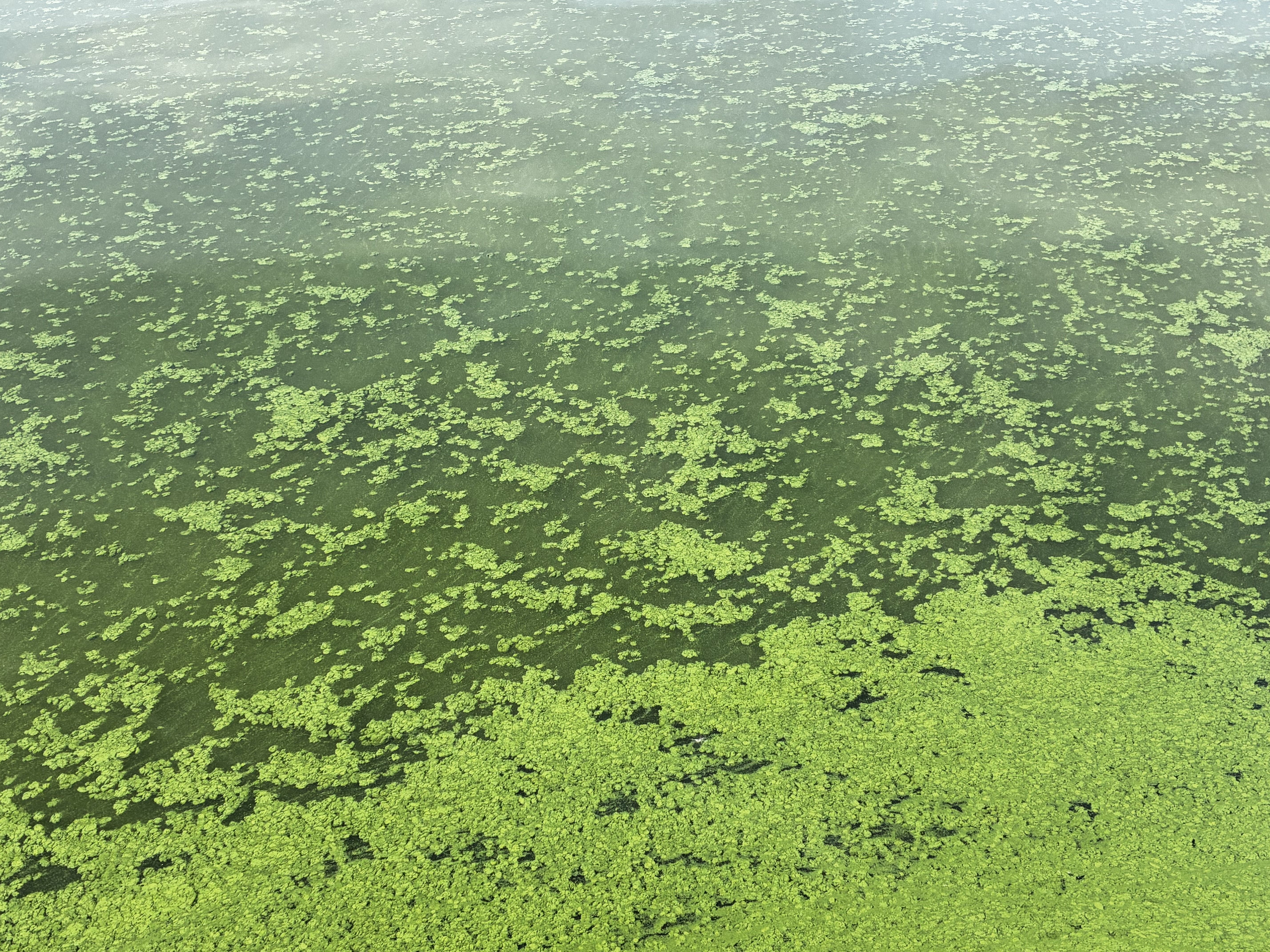
When I returned recently, however, the Lough I remembered was difficult to recognize. Water that was normally a murky brown had turned an unnatural, sickly green. Thick accumulations of algae coated the shoreline, making swimming potentially dangerous. The transformation was deeply upsetting.
The immediate culprit is an explosion of blue-green algae, or cyanobacteria. But the blooms themselves are symptoms of much deeper problems.
Above all, they are fuelled by the enormous nutrient load entering the Lough and its tributaries, particularly phosphorus from agriculture and wastewater. Warmer conditions and ecological changes caused by invasive species have compounded the problem. Lough Neagh has become hypertrophic—so overloaded with nutrients that it can support enormous algal growth. When that biomass dies and decomposes, the process consumes dissolved oxygen, creating conditions that can stress fish and other aquatic life.

Invasive zebra mussels have further altered the Lough’s ecology. By filtering organisms and particles from the water, they can make it clearer, allowing sunlight to penetrate deeper and creating conditions that may favor cyanobacteria. At the same time, their filtering can alter the plankton community at the base of the food web on which fish, including Lough Neagh’s famous eels, ultimately depend.
A roadside billboard declares the Lough Neagh Fishermen’s Co-operative Society to be Europe’s biggest producer of wild eels. Today, however, the future of that centuries-old fishery is increasingly uncertain.
One of the clearest signs of the wider crisis is the dramatic decline in young eels reaching the Lough. The Fishermen’s Co-operative has reported that where Lough Neagh historically received around 11–12 million young eels, or elvers, a year, that figure has fallen to roughly 2–3 million—a decline of approximately 75–80 percent.
The consequences are ecological, cultural and economic. The Fishermen’s Co-operative told a UK parliamentary committee that declining catches and eel quality were having a “massive economic effect” on fishermen. Thick algae accumulating around fishing quays has also physically disrupted commercial operations.
After the yellow-eel fishery was voluntarily suspended in 2025, Northern Ireland’s Minister of Agriculture, Environment and Rural Affairs, Andrew Muir, announced much stricter measures for 2026. The commercial yellow-eel fishery will remain closed for three years, beginning in 2026, while the silver-eel fishery is subject to a total allowable catch of 25 tonnes. The measures are intended to protect a European eel population that is already critically endangered and to give depleted stocks a chance to recover.
Another remarkable aspect of the Lough’s story is that its bed and soil are privately owned. They belong to the Earl of Shaftesbury, whose family has held the rights since the 19th century. While the water itself is a public resource that supplies much of Northern Ireland’s drinking water, ownership of the lakebed carries commercial rights, including royalties associated with activities such as sand extraction. For many campaigners, this arrangement raises a fundamental question: who should control one of Northern Ireland’s most important natural resources?
Alarmed by the Lough’s deterioration, local residents have mobilized to protect it. Members of Lough-shore communities and open-water swimmers have formed Save Our Shores, focusing on the shoreline and water safety. Other concerned citizens have organized through the Save Lough Neagh campaign, bringing together local families, environmental activists and workers to demand more fundamental political action.
Their demands include stronger environmental regulation, an independent Environmental Protection Agency, an end to sand dredging, improvements to sewage infrastructure and legal “Rights of Nature” status for the Lough. Some campaigners are also calling for an end to the private ownership of the lakebed.
None of these measures, however, can restore Lough Neagh overnight. Phosphorus accumulated over decades can remain locked in lake sediments and later be released back into the water. Even if the amount of pollution entering the Lough is substantially reduced, recovery is likely to take years.
That makes action now all the more important.
For me, Lough Neagh is more than a body of water on a map. It is part of my family’s history and part of the natural and cultural heritage of Ireland. Generations before me knew its waters, depended on its fish and built their lives along its shores.
The question now is what kind of Lough we will leave to the generations that follow.
I hope the people fighting to save Lough Neagh succeed—not simply so that this extraordinary lake survives, but so that future generations can know, value and enjoy the natural wonder that generations of my family were fortunate enough to call home.