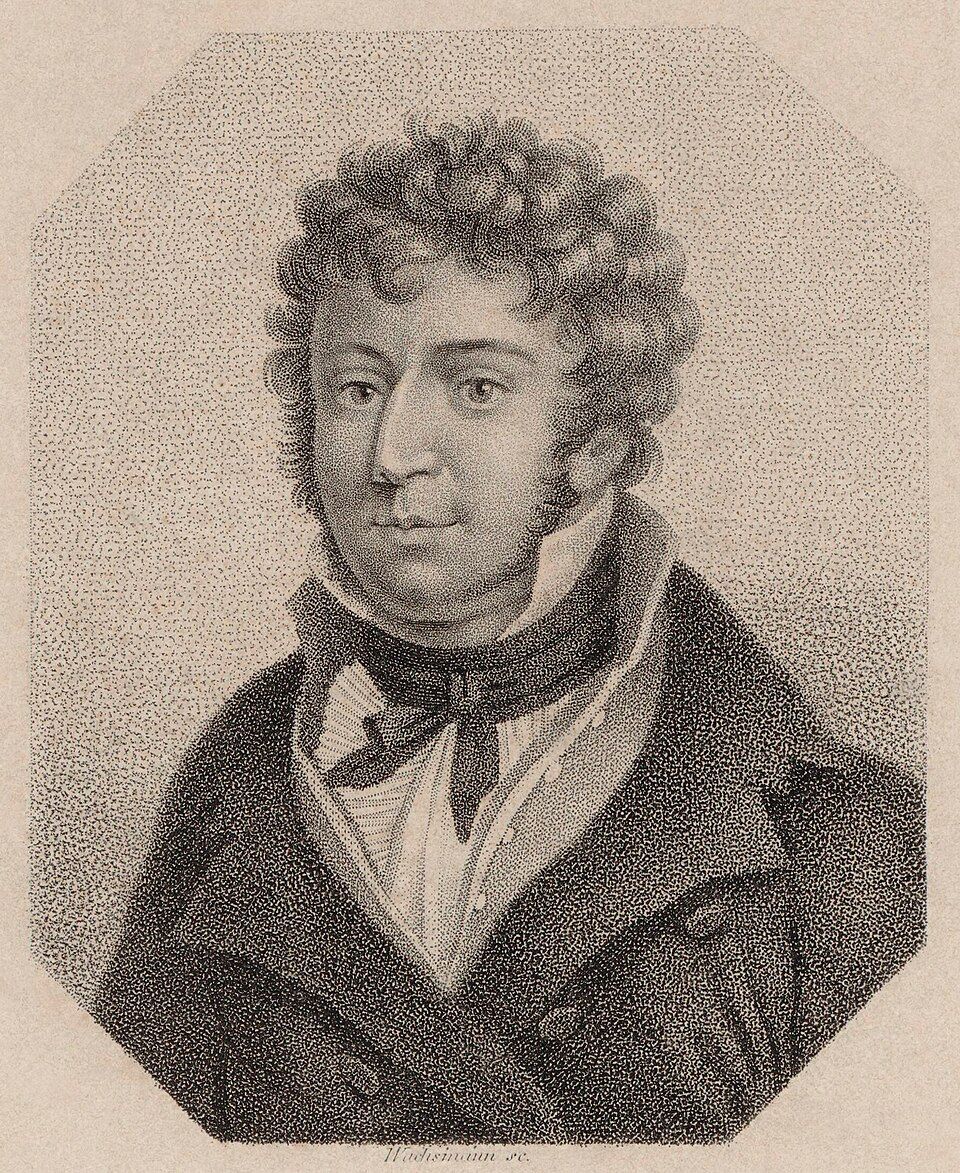
Few piano compositions can compete with the beauty of the nocturne. Its melodies seem almost to sing, creating the illusion of a lone voice drifting through the silence of night. Though Frédéric Chopin composed many of history's greatest nocturnes, he did not invent the form. That honor belongs to the largely forgotten Irish genius John Field of Dublin.
Born on July 26, 1782, Field grew up in a musical family. Both his father and grandfather were professional musicians—his father played the violin, and his grandfather was an organist. At only 9 years of age, Field made his public concert debut in Dublin. Recognizing the young Field was a child prodigy, his family relocated to London in 1793, where he began an apprenticeship with the famous Italian composer and piano manufacturer, Muzio Clementi. The Italian helped the young Irishman develop his performance and compositional talent, but Clementi’s taking Field on the road would have an ever-greater effect on the prodigy.
Clementi took Field to the European musical capitals including Paris and Vienna, where in 1801 he had the opportunity to play for Beethoven. According to historical accounts, Beethoven warmly praised the young pianist's talent and technique. Yet Vienna would not become the center of Field's career. His greatest triumphs awaited him farther east.

When Clementi brought Field to Russia, the young Irish pianist found the audience that would transform his life. St. Petersburg's aristocratic families competed to secure him as a teacher for their children. Russians adored Field’s playing and he soon became one of the most sought-after piano teachers in both St. Petersburg and later Moscow.
Field earned high fees for his lessons, far more than he had ever earned in London. Not surprisingly, when Clementi returned to Western Europe, Field decided to remain in Russia and enjoy the lucrative fees and adoration he was receiving from his aristocratic patrons.
Financial security gave Field something every composer desired - time. He could teach less, compose more, and gradually transform the nocturne into a new kind of piano music. Before Field, the word "nocturne" (or notturno) had been used for various kinds of evening music, but he transformed it into something new: an intimate piano piece built around a singing melody floating over gently rippling accompaniment. Field pioneered a beautifully legato, cantabile ("singing") style of piano performance that profoundly influenced Chopin and generations of Romantic composers.
Field helped forge the transition between the Classical and Romantic eras. His music retained Classical elegance while introducing the key elements of the Romantic style, freer, more improvisatory forms, richer harmonies, and greater emotional intimacy. Rather than emphasizing brilliance and virtuosity alone, Field made the piano sing. This lyrical approach became a hallmark of Romantic piano playing and influenced some of the Romantic era’s most beloved composers including Felix Mendelssohn, Franz Liszt, Robert Schumann and Johannes Brahms.
By 1832, Field was one of Europe’s most respected composers. In Paris that year he met Friedrich Chopin, an obscure Polish exile 32 years his junior. Chopin admired Field deeply, but the admiration appears not to have been returned. He apparently found Chopin's delicate, introspective style overly refined compared with his own more direct and improvisatory manner.
Field died five years later, never suspecting that Chopin would completely eclipse his achievements in composing nocturnes. The Pole gained immortal acclaim for the nocturnes he composed, while Field’s name slipped largely into oblivion.
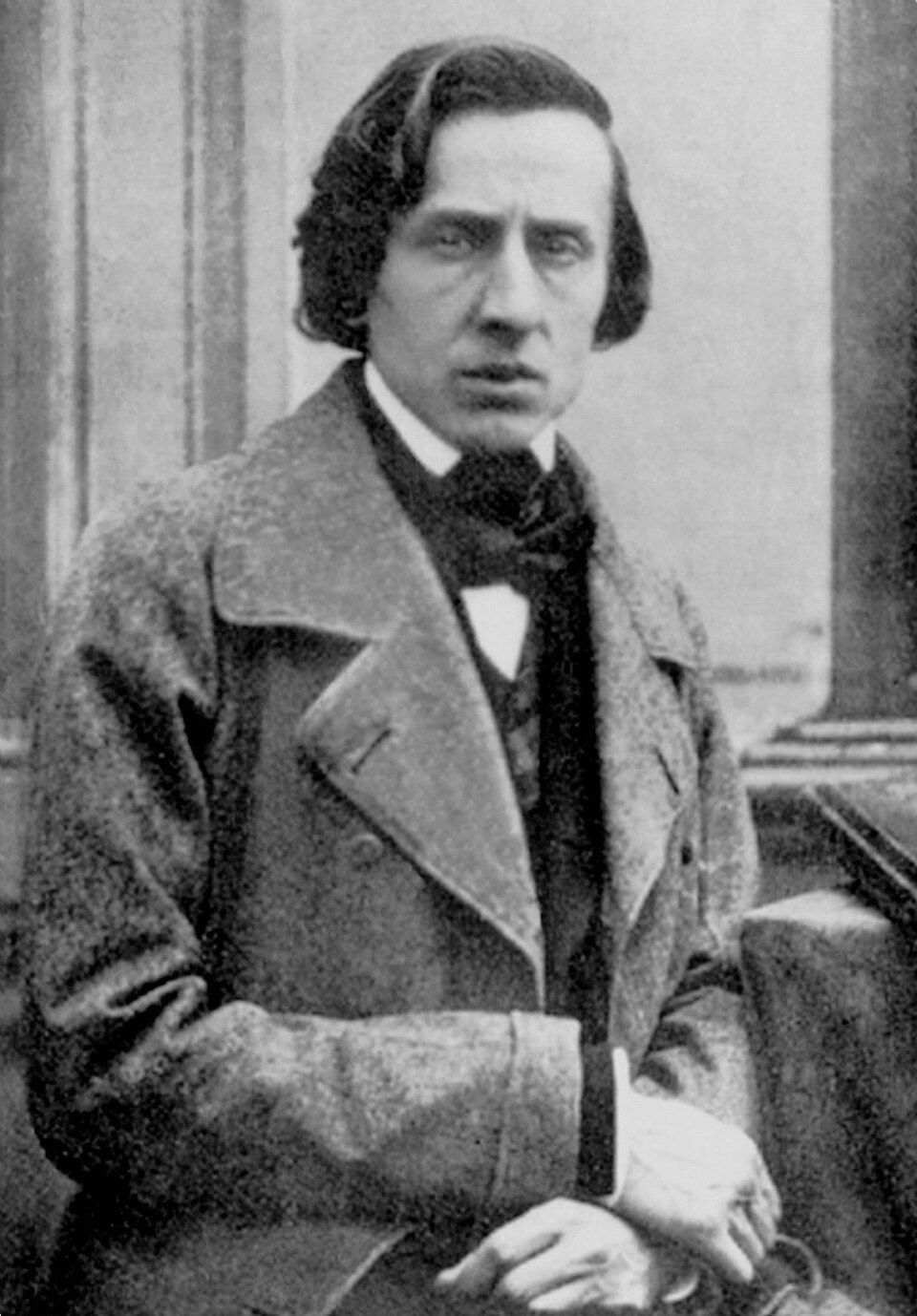
Frederic Chopin.
Though largely forgotten in the West, Field is still held in esteem in Russia for his profound role in developing Russian classical music. Among those who studied with Field was the young Mikhail Glinka, later celebrated as the father of Russian classical music. Glinka remained an admirer throughout his life, describing Field’s playing as, “At once sweet and strong, and characterized by admirable precision.”
Through his teaching and performing, Field helped establish the early Russian piano tradition that later produced such Russian keyboard geniuses as Pyotr Ilyich Tchaikovsky, Sergei Rachmaninoff, and Alexander Scriabin.
It is one of music history's ironies that Field remains little known in the country of his birth, a land that loves music and honors many of its musical greats long after their death. Few Irish people outside classical music circles have ever heard of Field. Field’s public profile in Ireland remains surprisingly modest compared with literary figures such as Joyce, Yeats, or Beckett, or even traditional composers like Turlough O'Carolan. Today, only a modest plaque on the corner of Golden Lane and Bride Street marks the birthplace of the man it calls the "Creator of the Nocturne." Dublin has never honored him with a statue, nor is there an annual Field’s festival. The John Field Room at Dublin's National Concert Hall, which is used for recitals and receptions, is one of the few venues named in his honor.
Two centuries after John Field first transformed the piano into an instrument capable of singing like the human voice, his music still possesses an intimacy and beauty that feels remarkably modern. Every pianist who performs a nocturne, whether by Chopin, Liszt, Fauré, or Rachmaninoff, is following a path first opened by the young Dubliner. Although Chopin's genius eclipsed Field’s, it cannot erase his achievement. He invented one of classical music's most beloved forms, inspired generations of Romantic composers, and helped lay the foundations of Russian piano playing. If his name is no longer widely remembered, his musical voice continues to echo every time a nocturne is heard. Perhaps one day Ireland will celebrate him as fully as the musical world already does.