In 2019, I decided to move to the abandoned Great Blasket Island.
As we prepared for the crossing, duffel bags filled and ticked lists, writing a book was the furthest thing from my mind.
My then boyfriend, now husband, and I had been chosen as caretakers for the season, and our role would be to run the island’s coffee shop and accommodation for six months. The only plan in mind was to embrace it as best I could and hope I got used to the cold showers.
At that time, my life was exactly as I had imagined it would be.
It was fine and I had no complaints as we settled into the daily rhythm commuting from County Kildare to Dublin each morning. He worked in the civil service and I had recently begun a role in the National Library of Ireland with their newly opened Seamus Heaney exhibition.
The train journey was long, we were tired most evenings but everyone around us seemed to be doing the same thing.
The year before, I had completed my master’s degree in public history and cultural heritage at Trinity College Dublin.
Since I was a child, I had been somewhat obsessed with the story of the Great Blasket and the research opportunity that came with the masters allowed me to indulge that fascination.

As I immersed myself in archives, visitors accounts, maps and drawings, I was as close to the island as I could be without setting foot on it. I could never be sure what exactly drew me to the Great Blasket, but I wasn’t alone in my interest.
Long after its evacuation in 1953, it continued to occupy an outsized place in Ireland's imagination. The writings of Peig Sayers, Tomás Ó Criomhthain and Muiris Ó Súilleabháin ensured that.
Their books carried the rhythms of island life across oceans, placing their tiny Irish-speaking community firmly on the global literary map.
Lesley Bond.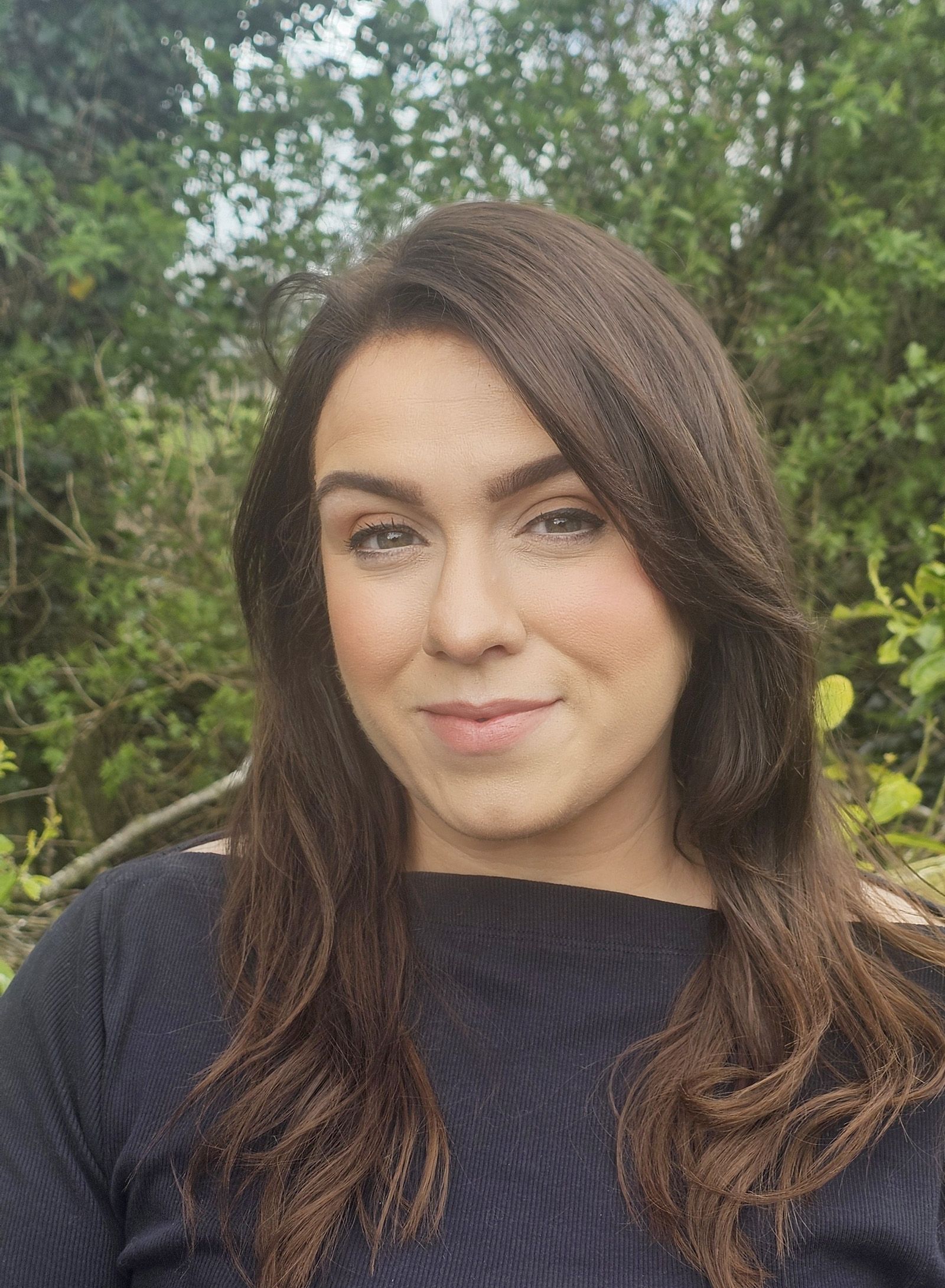
My research explored how a place could continue to possess a living heritage after the people themselves had gone.
Finally, after years of studying and learning every track and trail, the time came for a research trip to the island that had been moored in my mind since I was ten years old. My memory of that first approach to the island is as clear and sharp as if it was yesterday.
From the water, the island appears fused to the mainland until the boat edges closer and it cuts loose, the sea opening between them.
The islanders spoke of going isteach an oileán, into the island, and from that vantage, the phrase made perfect sense. In order to move from the water and onto the Great Blasket itself, you pass beneath its shadow on the waves, transfer into a small dinghy and climb steeply from the shore before the village finally comes into view.
The ruined cottages greet you, silent sentinels, remaining in place since long-forgotten hands first built them, their roofs now surrendered to Atlantic storms.
Scanning the landscape, your eyes land on An Trá Bán, the white strand, where grey seals call from the sand as fulmars circle above. It is a landscape of absence that feels anything but empty. I couldn’t have known that day that I would return within the year to spend six months living there.
The job advertisement appeared one evening as I scrolled on the train home and it felt like a dare, as though the island said "you think you know it all? Let’s see." People often ask what it was like, expecting stories of isolation and silence but the truth is rather different.
The wind rattled windows, waves crashed against the cliffs, crowds of day trippers arrived up the slopes in their hundreds, keeping us in constant conversation. The weather decided whether boats could cross, as fog erased the mainland without warning and sunshine transformed familiar paths into somewhere at odds with its Atlantic setting.
Over time, it became clear that living there wasn't about conquering the landscape or knowing it in its entirety. We entered into a relationship with it, where every day became a conversation with the island, and the island always had the final word.
One afternoon, I walked west towards Cladach na gCapall in search of a stone I had heard the islanders had carved with their names.
Following a map created by the islanders and navigating the challenging terrain, I found it on the eastern edge, at the centre of a horseshoe-shaped cove. It was hundreds of feet above the waves below. The evening was on the approach as the sun made its careful descent toward the belly of the The Sleeping Giant, Inis Tuaisceart.
The engravings had softened with time, but they were still there.
I placed my hand over them and I imagined the people who had carved their names into this land they loved. Maybe this line was made by a mother and her son out for an evening walk, or these initials were of the men returning after cutting turf on the western edge of the island. Perhaps a young couple escaping for an hour to themselves on a warm summer evening.
I knew I would never feel closer to them or closer to the land itself than in that moment. If there was a heartbeat in the stone, I would have felt it there. When I eventually left the island, I attempted to put the story of time on paper, but immediately found that I couldn’t. Every sentence I produced was melancholy and sounded out a note of loss.
I missed the island, I wished I was still there, and it was there in every word. I put away my notes and journals from that season on the Great Blasket and thought that maybe, my story of the island would remain my own.
Early one morning in 2025, after my son was born, I was standing in the kitchen before dawn, waiting for a bottle to warm.
My eyes stung with tiredness, I was exhausted in a way I didn’t know was possible. But there was a kernel of something there, some small sense of excitement as I looked forward to the day ahead. In that sleepy moment, I realised what the island had given me. Living there had taught me to stop wishing for different weather or a different season of life.
There was only the day in front of you and you accepted it, put in the work and found the joy within it. When I sat down to begin again, I returned through memory and attempted to engage with the island on a sensory level once more. I listened for the seals below An Trá Bán, felt the Atlantic wind pushing against my back on the cliff paths.
I watched cloud shadows race across the mountain and smelled heather after rain. Before I could write about the island, I had to stand there again in my imagination. The Great Blasket has already given Ireland one of its richest literary traditions. Its people carried their stories with them to the mainland and across the Atlantic to Springfield, Massachusetts.
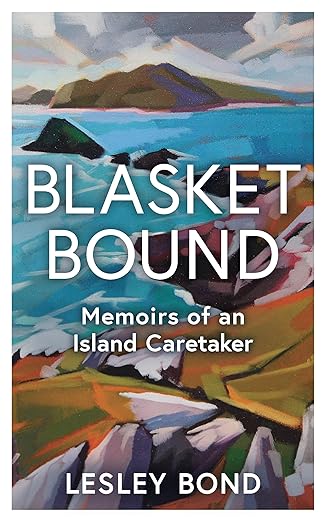
Through their writing, they ensured that this place with no permanent population ever fell silent. To know that "Blasket Bound" now sits alongside those voices is a strange and rare honour. Their books ensured the island would never fall silent and mine is simply another voice answering across the water.
The island taught me that places are kept alive because someone remembers them, returns to them, celebrates them and tells their story once more. "Blasket Bound" is published by Gill Books and is available on Amazon and from Barnes & Noble.
Lesley Bond is a writer and public historian from County Kildare. She holds a master's degree in Public History and Cultural Heritage from Trinity College Dublin, where her research focused on the living heritage of the Great Blasket Island. In 2019, she spent six months living on the island as a caretaker, an experience that inspired her debut memoir, Blasket Bound (Gill Books). Her writing has appeared in The Irish Times, Country Life and Image, and explores Ireland's landscapes through memory and sense of place.