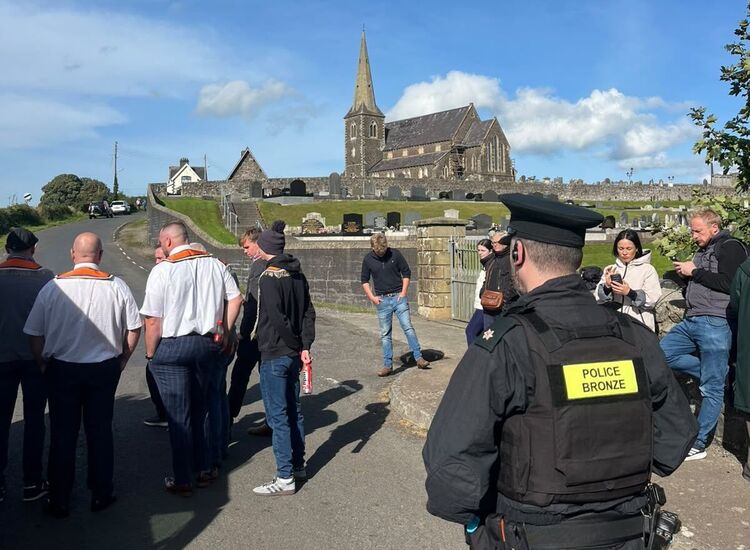
Sailing halfway around the world in a whaling ship to rescue Fenian rebels rotting in an English penal establishment has all the ingredients of a cracking thriller — boundless courage, chain gangs, near-drownings and cool heads being only the half of it — which begs the question why this monumental feat is not more well-known.
Especially since the year-long endavor to free the imprisoned Fenian patriots was hatched in America, financed in America and led by sons of America (both white and black). In fact, in many ways, the Catalpa Rescue of 17-19 April 1876 — its 150th anniversary will be saluted at the Irish Echo Maritime Awards next week in New York — represents a coming of age of the Irish of America.
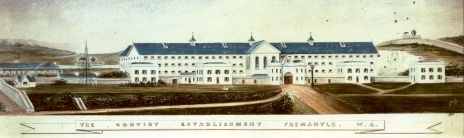
Fresh from their sacrifices in the Civil War, the Irish who were now establishing themselves in the United States, not only felt obliged to free the long-suffering rebels in the living tomb of Freemantle Gaol (below) in the wastelands of Western Australia but now also realized they had the wherewithal to make good on their plans.
And yet if the scale of the undertaking was truly gargantuan, it was not beyond two giants of the Irish freedom movement who had washed up in the U.S. after tweaking the lion's tail: John Devoy and John Boyle O'Reilly. The latter had made his own escape from the breaker's yard of the 'Establishment' in Freemantle by eluding his pursuers and then rowing out from shore through shark-infested waters to sneak aboard an America-bound ship.

To fulfil his promise to those left behind, O'Reilly resolved to think big in his efforts to free the six Fenians whose death sentences in Dublin courts in 1866 had been commuted to life imprisonment with hard labor in the more distant colonies. All six — Harrington, Hogan, Cranston, Wilson, Darragh and Hassett — had served with some valor in the British Army and been involved in an audacious bid to turn thousand of the Queen's conscripts against her government.
Fortunately for historians, and readers, an inordinate number of these Irish Republican Brotherhood stalwarts were also eloquent diarists and poets, providing author Stevens with ample and lively source material for his all-but unbelievable Irish 'Papillon'.
The 'military Fenians' were shipped off in chains from Portland Jail, England to Australia with over 50 fellow-Fenian felons on a prison ship where meagre rations biscuits and salted pork were the starvation diet. They reached their British gulag in early 1868, assigned to backbreaking, spirit-sapping road gangs and confined each night in cells so small a prisoner "could extend his arms to the limestone walls of the three-foot wide chamber". Though warned by the Governor that escape was impossible and any attempt to break out would be punishable by death, John Boyle O'Reilly, mustered on the parade ground in the foreboding prison on that very first day was unbowed: "There'll be a way. There has to be a path to liberty," he assured a comrade just minutes after being warned that death in the desert or drowning at sea was the most likely fate awaiting any would-be escapee.
Stevens' account of the incarceration of the Fenians, brutalized in the Australian version of that great British invention the concentration camp is both gripping and fast-paced. The author is a master story teller who entrances the reader with tales of a gruelling daily existence which threatened to extinguish even the indomitable Fenian spirt. And yet, John Boyle O'Reilly's ingenious escape and flight to America in 1869 must have given the wretched prisoners a flicker of hope. 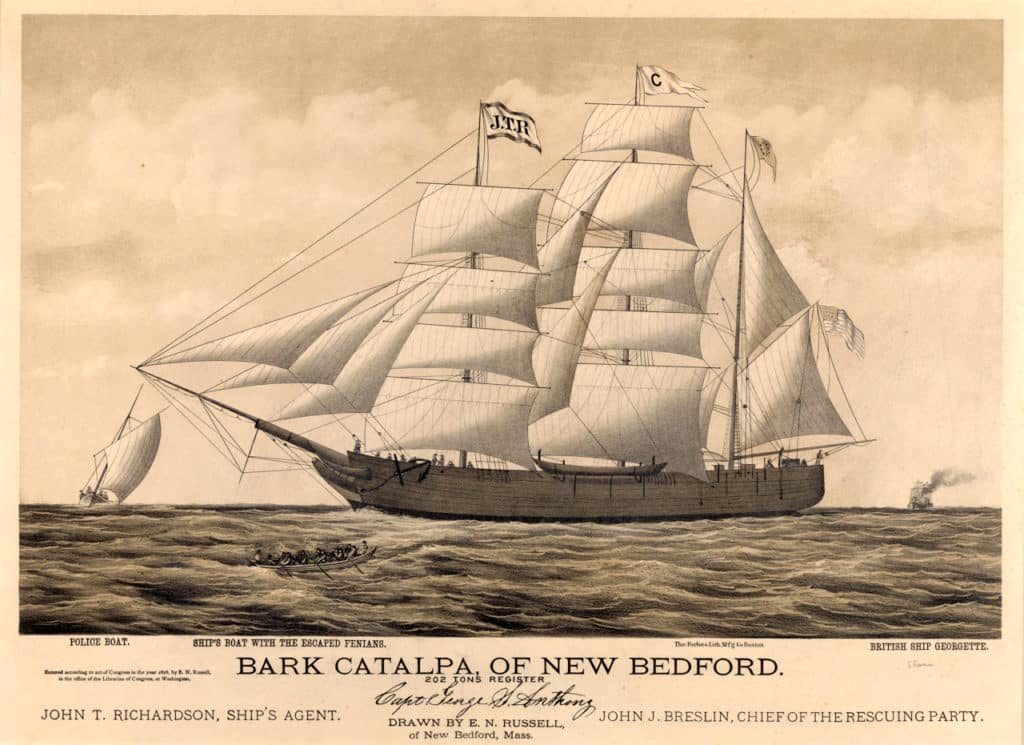
Thankfully, even as O'Reilly rose up the ranks of the Irish community in the U.S., becoming a much-sought after journalist and author, his featly to the political prisoners he left behind was undimmed. "O'Reilly vowed that in America he would not forget the life-sentenced military Fenians who were singled out for particularly appalling treatment by their gaolers who viewed them as traitors to the Crown. They must be saved." Indeed it was a voice from the tomb, a heartrending letter from Hogan to then journalist Devoy, leader of the Fenian ranks in America, which sparked the escape plan in consort with his brother-in-arms O'Reilly. Describing his life of "hopeless servitude...in one of the darkest corners of the earth", Hogan, "forgotten and neglected" in his own words, begged for help, adding, "even though it should be my fate to perish in this villainous dungeon of the world, the last pulse of my heart shall beat 'God Save Ireland'."
And yet it was not until 1875 that Devoy made the connection which would lead to the freeing of the Six Fenians - when he met Captain Henry Hathaway of the New Bedford, MA police force, a pillar of the community and a fervent supporter of the Fenian cause. It was the police captain who convinced Devoy that only by buying and equipping a whaling ship could they make good on their escape plans and subsequently introduced him to perhaps the greatest hero in this odyssey of many heroes: the ship's captain George Anthony. WASTELANDS: Freemantle lay just south of Perth in Western Australia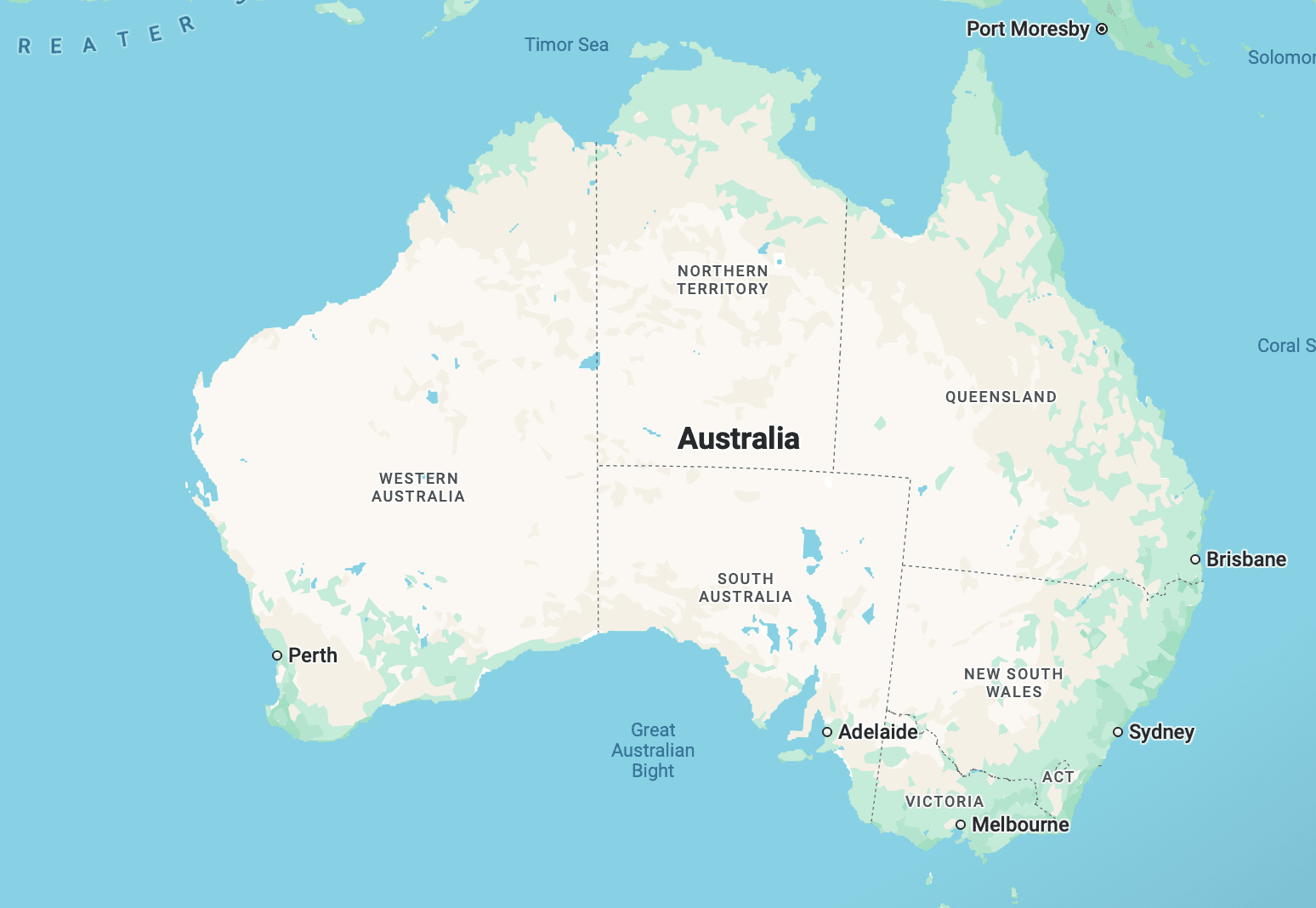
Though having no links to Ireland, Anthony, a Quaker, was swayed by Devoy's persuasive arguments and agreed to take on the dangerous task of sailing to the other side of the earth to free the Fenians. In all, the journey, including a diversion to hunt sperm whales, took a full year to reach Freemantle where ingeniously, the IRB had planted two agents to lay the ground for the escape.
The first of these John Breslin, already a wanted man for facilitating a jail break in Dublin, is a character out of an Irish James Bond movie. Posing as a wealthy Yank investor, he charmed the Colonial overlords of the town and governor of the prison, courted a local lass and gathered a virtual armoury in preparation for the breakout. Ten years into their interminable sentences the military Fenians had the run of the town of Freemantle. After all, with the sole exception of O'Reilly, no man had ever made good an escape. It was this dropping of the guard which enabled the six to link up with Breslin and a co-conspirator to break out of the prison on 17 April 1876 and make their way to a beach nearby where Captain Anthony was waiting.
Braving a storm in which all appeared doomed, the Captain's crew and their precious cargo of escapees, now boasting rifles and shortarms, made it to the waiting ship just moments before a police tender cut them off.
All of which led to the famous denouement of this greatest of prison escapes in a history speckled by them - when the British steamer Georgette, armed with cannon and twice the size of the Catalpa, ordered Captain Anthony to surrender.
Let us leave the telling to Stevens:
As the steamer swept closer, everyone on the Catalpa stared at the black cannon on the Georgette's top deck. On the main deck, 'a forest of bayonets glistening in the morning sun'.
Anthony glared out across the water at Stone (the Georgette's captain). Then the New Bedford shipmaster raised the speaking trumpet to his lips again and pointed up at the mainmast, at the Stars and Stripes.
"This ship is sailing under the American flag and she is on the high seas," Anthony shouted. "If you fire on me, I warn you that you are firing on the American flag."
The British blinked, the six freed Bold Fenian Men made it to New York on 19 August 1876 and another incredible chapter in Irish and American — and, indeed, Irish American — history had been written. Captain Anthony put it in more prosaic terms in his captain's log when he reached his home port of New Bedford a day later. "So ends this day, a pleasant voyage..."
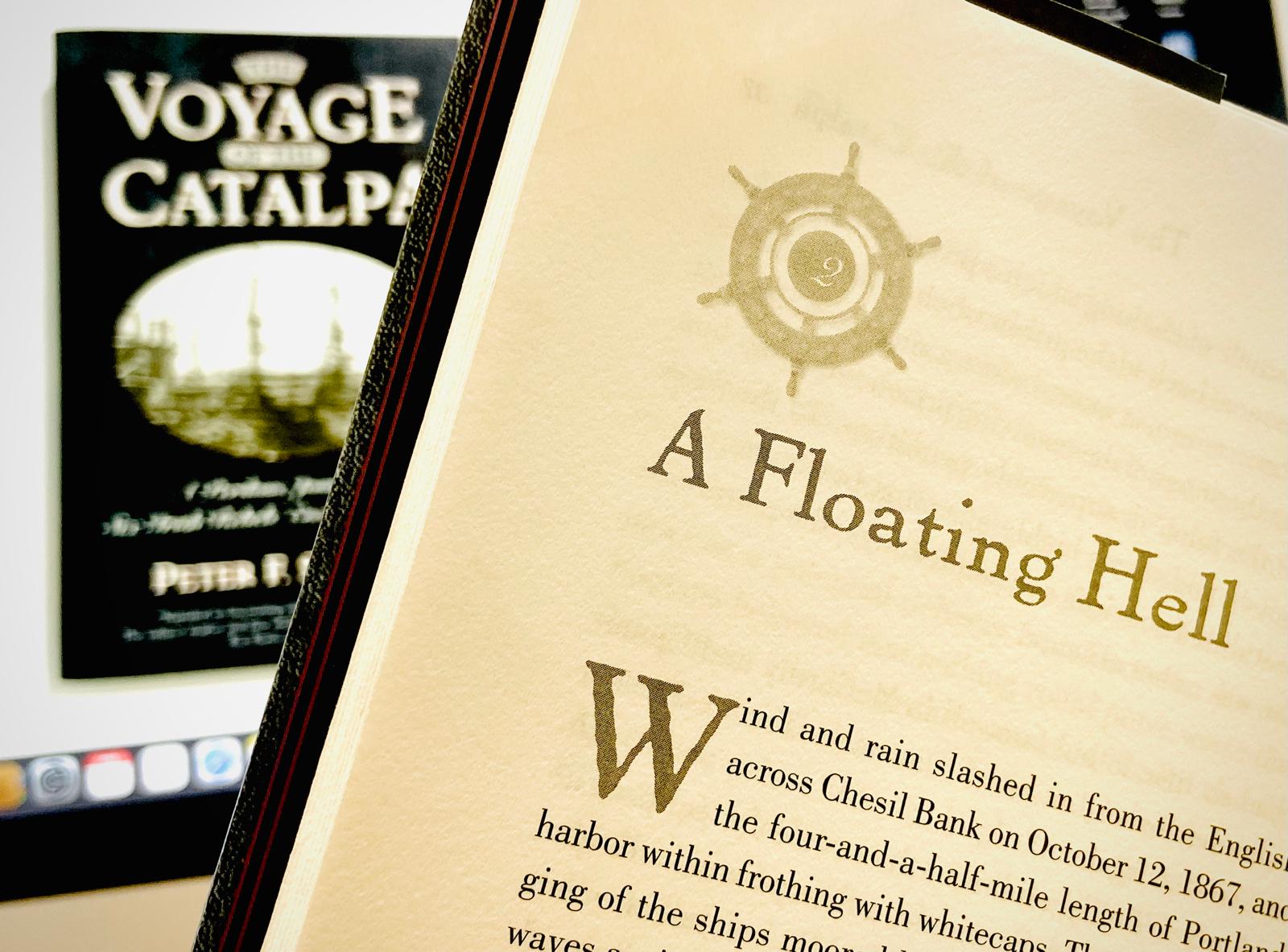
The Voyage of the Catalpa by Peter F. Stevens. Carroll & Graf Publishers, New York. First published 2002.