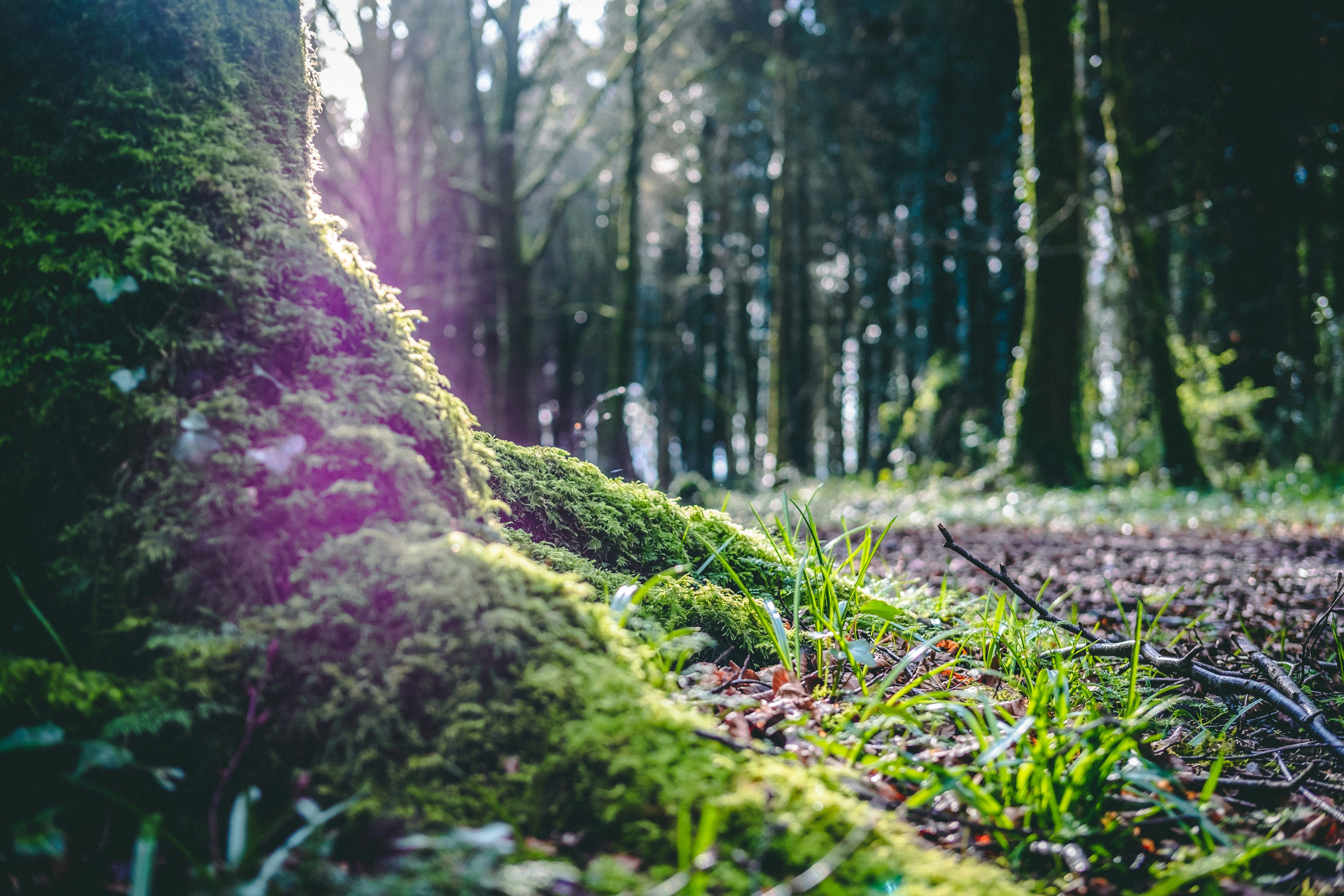
From small acorns could well be the guiding philosophy of a new initiative linking the Celtic Junction Arts Center in St. Paul, MN with Ireland's groundbreaking Woodland Project to better appreciate our ecological heritage.
And this Saturday, 14 February, at 1pm CT this budding transatlantic partnership will be the focus of an online panel discussion exploring Ireland’s natural heritage through history, ecology, mythology and language .
The event is a collaboration with the Ireland-based Gaelic Woodland Project, a nonprofit founded in 2019 with ambitious plans to create a commemorative woodland marking the 200th anniversary of the Great Hunger in 2045, while restoring native forests and renewing cultural ties to the land. By the end of the 19th Century, Ireland's forests covered just one per cent of its landmass, down from 80 per cent at its peak 3,000 years earlier. The percentage of native forests in the Republic of Ireland is among the lowest in the European Union.
In County Mayo last year, the organization planted its first new native woodland, a milestone funded entirely through donations and community support . It was, supporters say, both an ecological and cultural act — a gesture toward healing a landscape that once bore the scars of famine and deforestation.

Saturday’s broadcast will be led by the project’s three directors — Eoghan Connaughton, Santiago Rial and Oisín Ó Néill — whose backgrounds span environmental science, Gaelic history and the Irish language. The format is conversational, with a live question-and-answer session to follow .
Viewers can expect to hear the legend of Cú Chulainn, learn the Irish names for plants and trees, and examine pollen records and historical evidence — all woven together with anecdotes that illuminate how earlier generations of Irish understood their relationship to the natural world.
The restoration of Ireland’s lost ecological inheritance is a generational endeavour requiring a cultural renaissance,” said Eoghan Connaughton.
The Minnesota partner shares that ethos. Founded in 2016, the Celtic Junction Arts Center was built around a brick-and-mortar hall, purchased in 2009 by Irish immigrant and musician Cormac O’Sé and his Minnesota native wife, playwright and director Natalie O’Shea. Its mission is to celebrate and preserve Celtic arts while cultivating a strong community presence.
The event is free and open to the public, with registration online here.