AMERICAN citizens living in Belfast have been reacting to the US Midterm results, which saw the Democrats seize control of both the House of Representatives and the Senate from Donald Trump's Republican Party.
Democrats flipped Republican strongholds in states such as Texas and Kansas to take control of the two chambers, in what many analysts have described as a rebuke of Trump's policies of the last number of years.
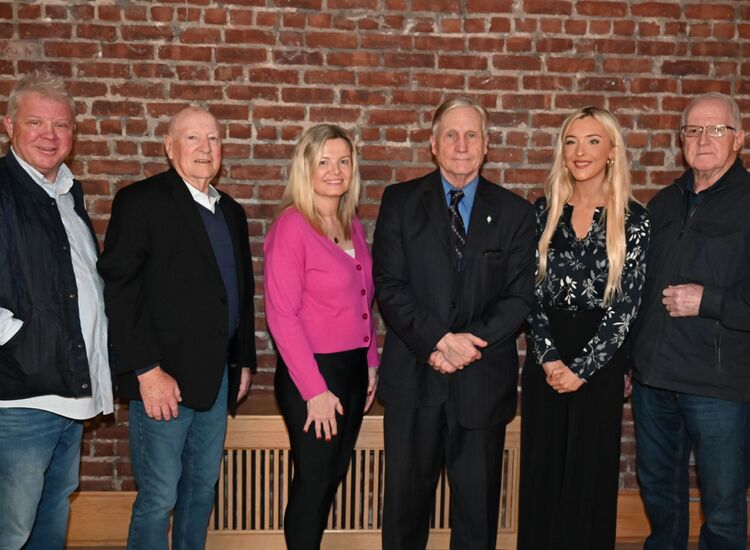
Belfast-Americans have been sharing their reaction to results in recent days. Pádraig Ó Mathúna, a community worker originally from Hartford, Connecticut, said he was "very happy looking at some of the battleground states in particular".
"It's hard to be positive about anything in the US these days, but at the same time I was positive enough looking at the results," he said.
Democratic candidate Abdul Al-Sayed became the first Muslim US Senator when he defeated the Republican nominee Mike Rogers by over seven points in Michigan. Ó Mathúna said he was surprised at the margin of Al-Sayed's win.
"I was looking at that race more than any other and at some of the rhetoric that Mike Rogers was using.
Good morning, Europe. While you were sleeping, Democrats made sweeping gains in the US midterms, taking control of the House of Representatives and Senate in a stunning rebuke to Donald Trump.
Watch how the results unfolded across the country https://t.co/xRsHuhArD0 pic.twitter.com/HANLPYSPi4
— Financial Times (@FT) November 4, 2026
"Two Native American women were elected, Deb Haaland in New Mexico and Peggy Flanagan in Minnesota. As a historian, when you consider that native people in New Mexico didn't even have the vote until 1948, that's an incredible development."
Mr Ó Mathúna said the results was a "rebuke of MAGA and Donald Trump's politics by American people". However, he said that Democrats need to be careful with how they approach the appointment of one of the top roles in American politics. Pádraig Ó Mathúna from Hartford, Connecticut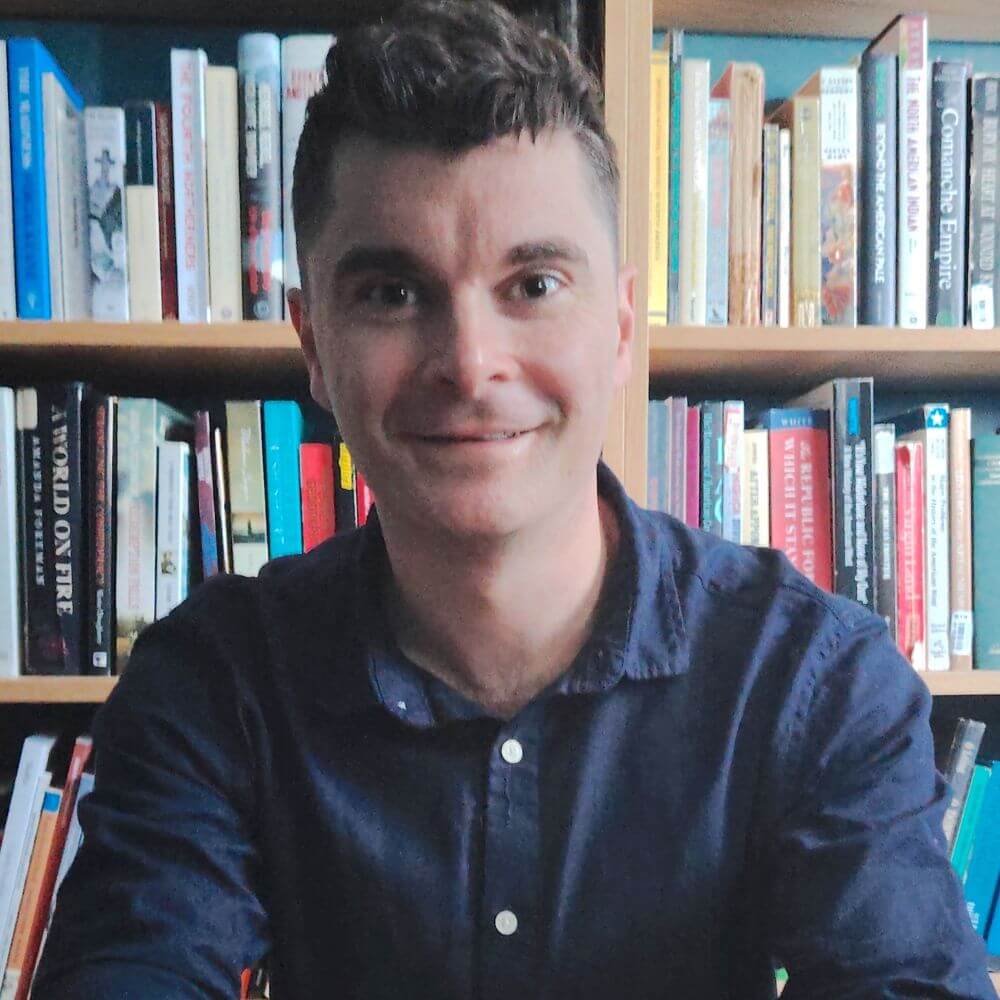
"The Democrats need to be very careful regarding the Speaker of the House. I think it's settled that it will be Hakeem Jeffries, and I don't think young people want to see these figures as leaders.
"If you look at Angie Nixon in Florida, she wasn't supported well by the DNC (Democratic National Committee), because she was seen as too radical and too left wing. Similarly to Abdul Al Sayed, although he was supported in the end. Despite her lack of support there were only a couple of points between her and Ashley Moody.
"The Democrats are always talking about this 'broad church' politics, so I think the success of left-wing candidates is an example for the future for them."
With the race for the White House in 2028 already starting to heat up, Ó Mathúna said that Democrats need to look to the youth and to new voices.
It’s time for Congress to focus on the next generation, not the next election. That means putting country over party to deliver real results — from rooting out corruption to lowering costs.
When it comes to delivering for Hudson Valley families, nothing will stand in my way. pic.twitter.com/NPGf6Hu6Ts
— Cait Conley (@CaitforNewYork) November 9, 2026
"James Talarico is one who stands out for me for 2028. In one of his first interviews after the election he was talking about policies he'd have, he mentioned that he would try to work with Donald Trump," he said.
"It both surprised me and wasn't surprising. I think some Democrats learned their lesson from Mamdani in New York. Some of his supporters aren't happy with that approach but I would say they want to reach out."
Regarding the Republicans' candidate in two years' time for the White House, Ó Mathúna says that depends on how they react to these latest results.
"Who stands for the Republicans depends a lot on the months and years ahead. Ted Cruz's statement stood out to me because he tried to zero in on the main issues: cost of gas, food and the war with Iran. JD Vance has blamed the war with Iran for the poor performance.
"I think a lot of it depends on how long people's memories are. Will they remember that Cruz and Vance supported those policies but are now trying to create a space between themselves and the same policies?"
Nora Sullivan moved to Belfast in 2012, aged 12. Originally from Wethersfield, Connecticut, she has recently finished a PhD in Psychology at Queen's University. A registered Democrat, she used a postal vote to cast her ballot in the mid-terms.
Nora Sullivan has lived in Belfast since she was 12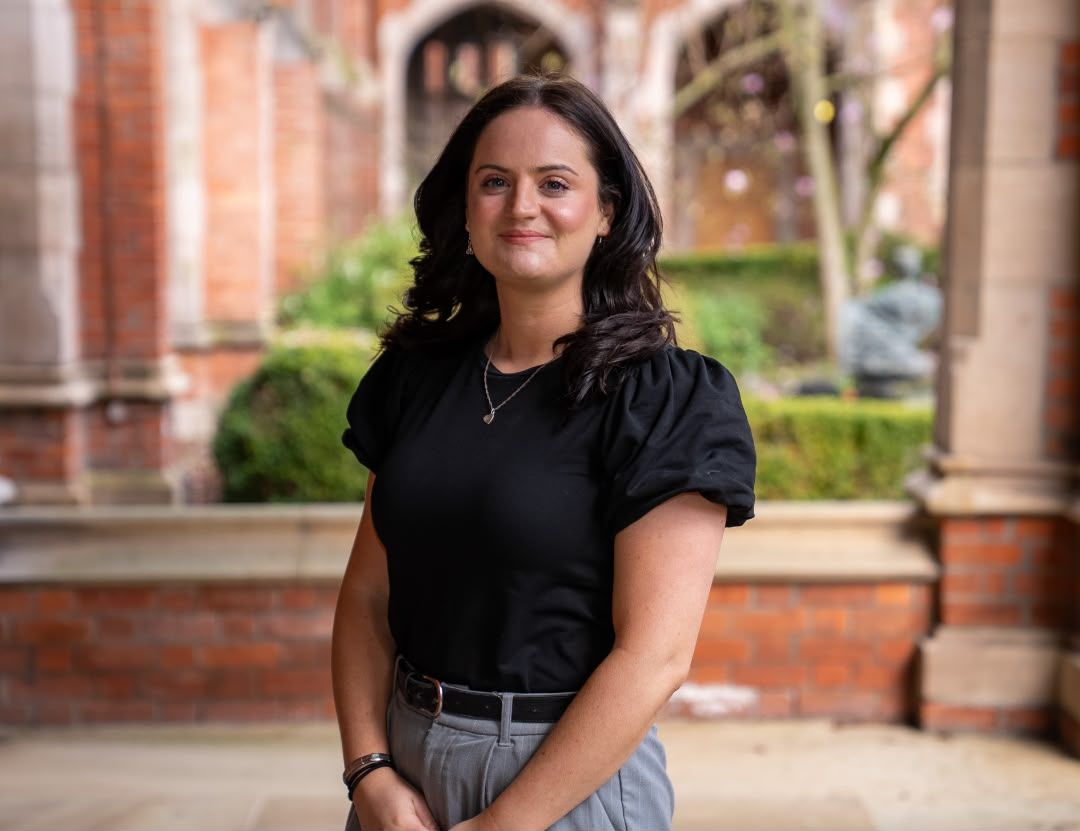
"I felt relief," she said. "I felt that there is still a bit of hope and I felt that the majority of people do want change and don't agree with Trump's leadership. There were so many firsts in this election and it was so hopeful to see that.
"Sometimes I am quite embarrassed with the politics in America. After this election I was actually very proud to see that a change had happened."
Having spent much of her formative years in Belfast, Nora said it was "very sad" to be a witness to American politics over the last ten years.
"Living over here people are always asking me why I wouldn't move back to America, but since 2016 I feel like it's not a place I would ever want to live again. I still have lots of friends and family over there, so it is upsetting to see America changing.
"I truly believe that the American Dream used to be reality, but I think right now it's a scary place. It's not the America I knew.
"I think these results are a step in the right direction. I think it's hopeful for the future in stopping more of Trump's policies being implemented.
"There were so many first in this election: The first openly gay male Senator (Chris Pappas), the first Muslim Senator (Abdul El-Sayed), first Native American Governor in New Mexico (Deb Haaland). It really is showing a much better picture of America as a whole."
Nora is adamant that the war in Iran and the cost of living were huge factors in influencing voters for this election. She also says that New York City mayor Zohran Mamdani has "led the way" in "positive encouragement" for other politicians. She hopes that the Democrats follow this example for the 2028 Presidential election.
"It's really appealing to more people. These are very powerful characters and elections results show that these are the kind of people that Americans want making decisions."
Nora says she has family and friends who voted for Trump and for the Republicans in the past who didn't do so this time, which she says is due to poor leadership and decision making from Trump.
"People are calling this the Blue Wave. I think people hope that things will change and MAGA's agenda won't be moving forward, but I do think that there are plenty of MAGA supporters still out there, of course.
"Belfast is always home for me but I do feel so much more positive about America now. This has made me feel like there is hope."
Dr Brian Kelly is a reader in US History at Queen's University and hails from Boston. He says that the results are a "stern rebuke of Donald Trump" and are indicative of a "sea-change" in attitudes in America towards Israel and Palestine, referencing some surveys showing 60 per cent of Jewish voters in favour of Al-Sayed in Michigan.
"I think without the war in Iran Trump would be in a much more comfortable place," he said, "Of course that has had an impact on affordability and all the other issues that people are reacting to."
Speaking about Al-Sayed's success in Michigan and the close race in Florida between Angie Nixon and Ashley Moody, Dr Kelly said that there was a "public sentiment" for left-wing alternatives.
"I think 2028 depends a lot on what Democratic Party do with the mandate they've been given. My concern is if they don't deliver quickly and approach issues with the same determination that the MAGA movement has, then they're basically giving up to Trump and the Republicans.
"I think you have already seen an indication of what the Democratic establishment want to do. Jeffries as Speaker of the House. Chuck Schumer is going to run the show. Both of these are part of the establishment that paved the way for Trump in the first place."
Dr Kelly said that concerns around the handling of immigration issues and the cost of living swung voters from Republicans to Democrats, referencing James Talarico's win in Texas, becoming the first Democrat to win a Senate election for the state since 1988.
"I think MAGA is in serious trouble. I think there's a lot of buyer's remorse from people who voted for Trump. It's an incredible comedown for the movement from where it was."
Macy Miller is from Indiana, a red-state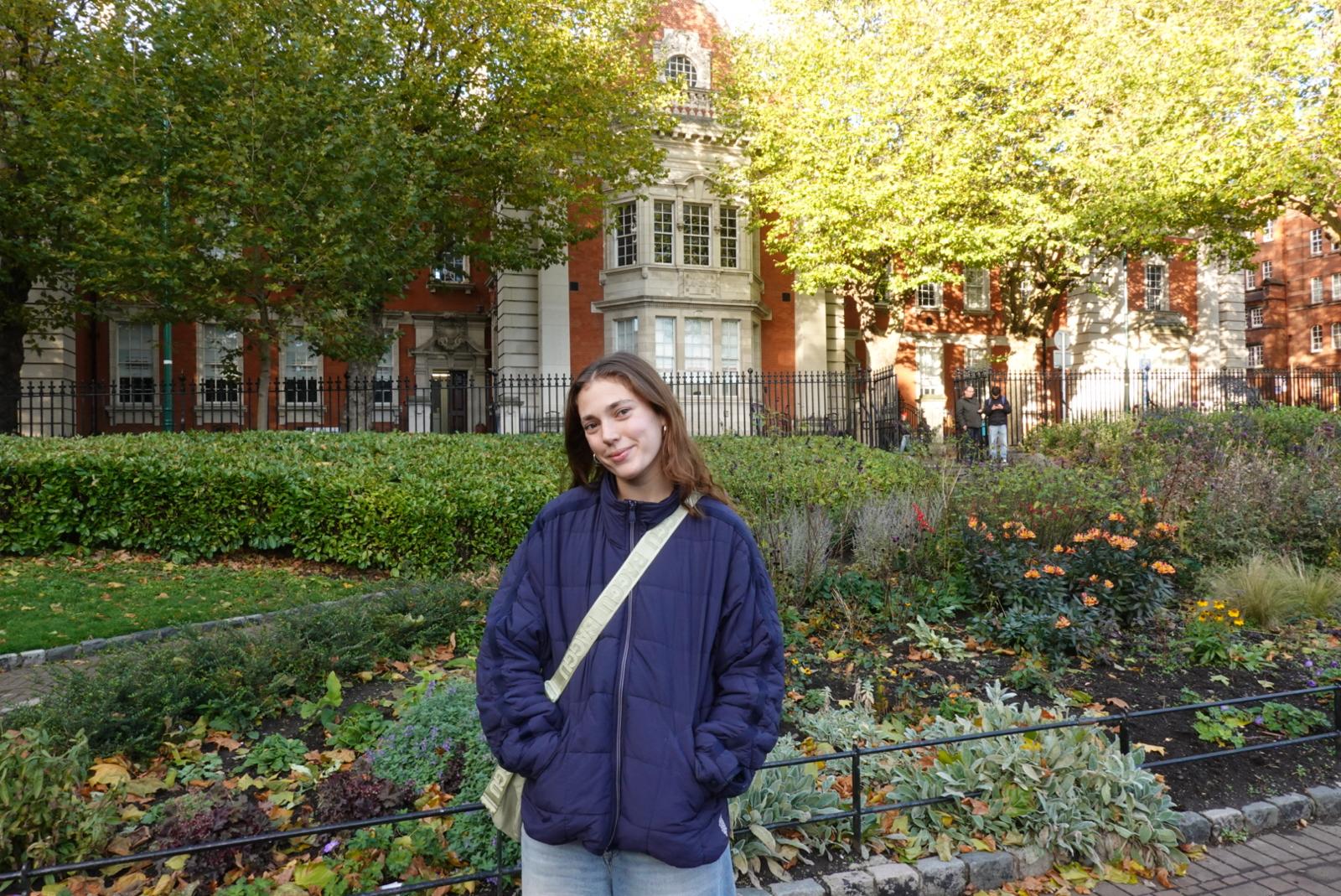
Macy Miller is studying for a Masters in Education Studies in Queen's University. Originally from Indianapolis, Indiana, she is a Democratic voter in "the super-red state".
"I was really hopeful when I saw the election results pouring in. It was very exciting to see, but I'm also conscious that there is still work that needs to be done," she said.
"The people that we have elected to do that good job actually need to do it now."
Being from a so-called red-state, she says she does know lots of young people who are disappointed with the election results, and that "being worried is in the nature of this unstable political environment".
"America's greatest political problem is polarisation," she said.
Macy says that politicians need to address young voters' concerns around climate change and identity politics, and that "young people are no longer satisfied with moderate" and want "change that priorities action".
Although sceptical that this is the end of the MAGA movement, she said she hopes that Democrats continue to "invest in people".
"If anything good has come from Trump," she says, "It's that a whole generation of young people have become civically and politically engaged."