I rarely go to Rock ‘n’ Roll shows anymore. That’s a statement I never thought I’d make, my life was so caught up in the scene both as a fan and performer.
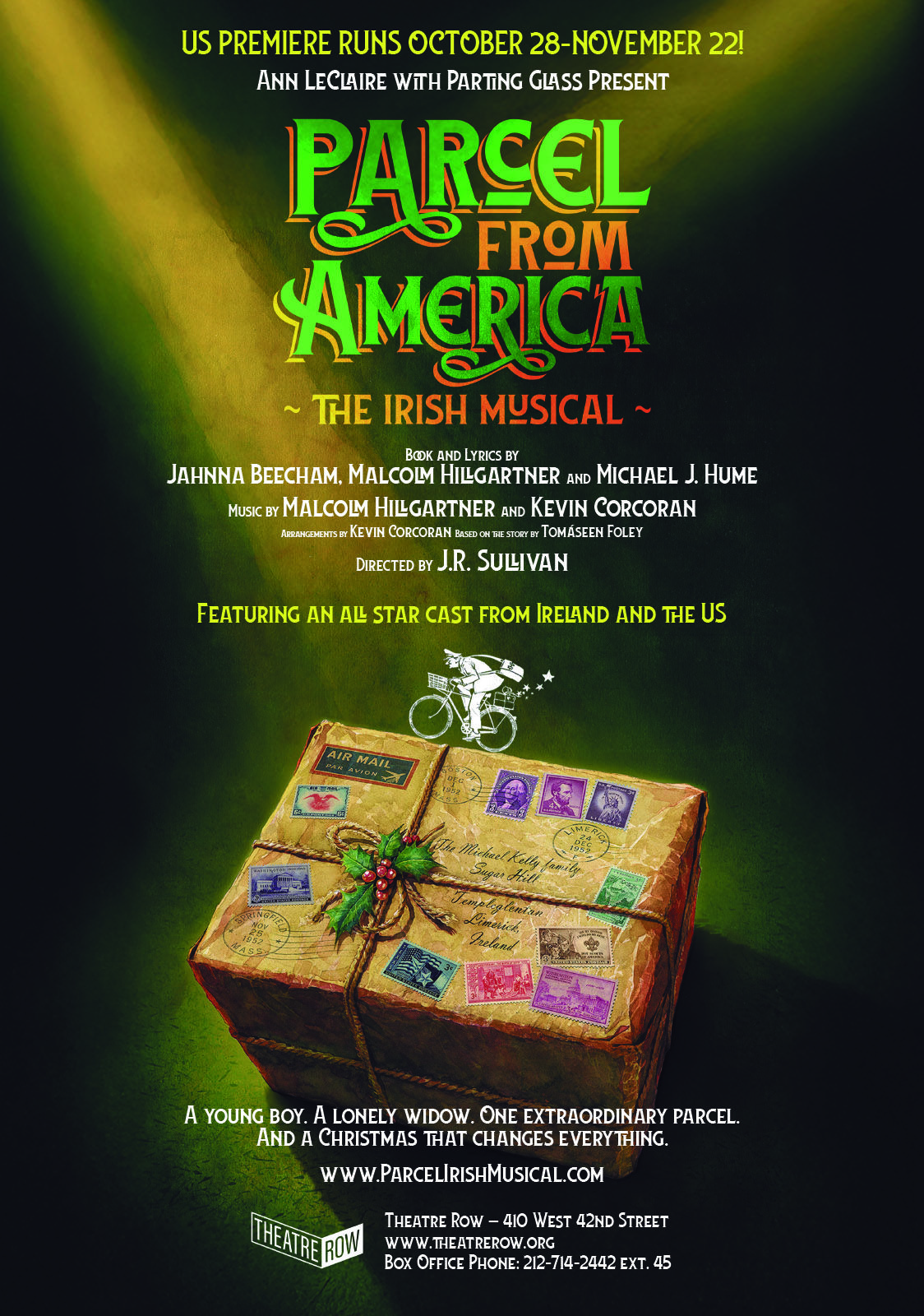
It’s hardly that I’m divorced from the music world, I still write songs and match them to self-conceived scenarios. This is often called musical theatre, but I see it more like bringing history and stories to life.
It’s more difficult than writing for a band, but I have more time now that I’m not careening around the roads of America. Truth is, when you’re not rushing from gig to gig, life inevitably slows down.
I had a dream the other night where I was back performing with Black 47. There I was on stage locked in that familiar, dizzy, dancing feeling, that teetering-on-the-edge moment before Rock ‘n’ Roll really sparks: when the band and crowd come together and you’re suddenly on the back of a wild stallion and there’s no getting off.
All well and good, except the dream didn’t end there. It was interrupted by a flashback to a scene in Vassar College, where I had to stop the show because I caught a glimpse of a young woman unconscious on the floor beneath the hooves of a trashing mosh pit.
In real life the adrenaline gets you through such moments, in dreams everything slows down - you get close-ups and freeze-frames colliding until you wake up shivering from the sheer menace of it all.

Enough about life from the stage. I was a fan too, and to be young, alive and living in New York City in the golden era of Rock ‘n’ Roll was a privilege beyond compare.
I often seek to recall the greatest shows I attended? But that’s the wrong perspective – the greatest moments were less to do with spectacle and more about becoming one with the performer.
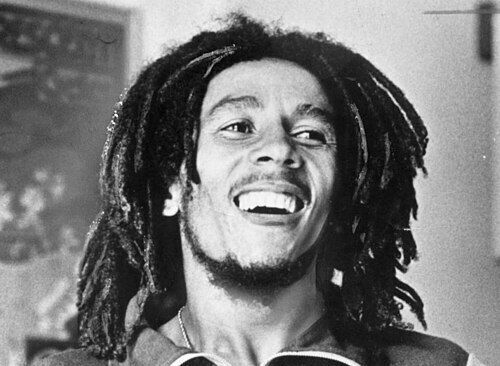
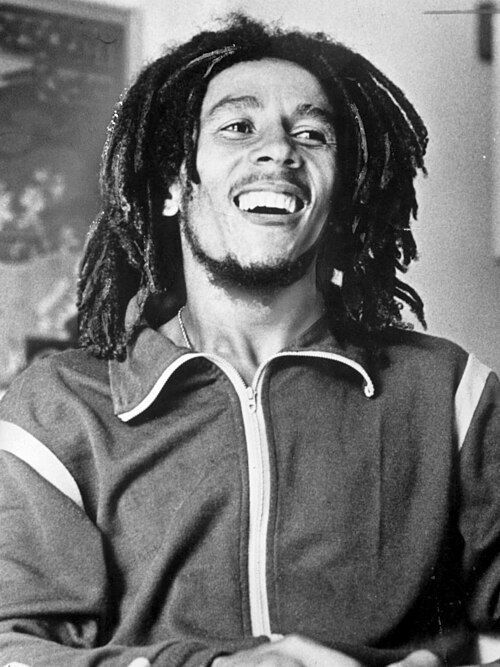
That’s what happened to thousands of us when Bob Marley & The Wailers made their first appearance in New York City.
Marley’s songs were rarely on the radio back then, but he was already huge in the UK, and back in the 1970s there was a mystic pipeline between London and New York. Real fans had his Live (in London) album, so we had an idea of what was in store. But it was so much more.
A warm, humid summer night in Central Park, the air thick with ganja, Island accents everywhere, their dreadlocks and our liberated long hair shaking together in the gentle breeze the moment that mystic man hurtled on stage.
And oh yeah, could he move! He would lose himself in a song, and during long instrumental breaks he would dance like no one I had ever seen before. It was like he was deciphering the reggae beat through his body, as his swaying Gibson guitar became like a beautiful woman in his arms. You could watch him, or magically become one with his mystic meandering as he appeared to float inches above the stage.
Then when he admonished a past love to “no woman, no cry,” we thousands joined him as though we too were back with him “in a government yard in Trenchtown.”
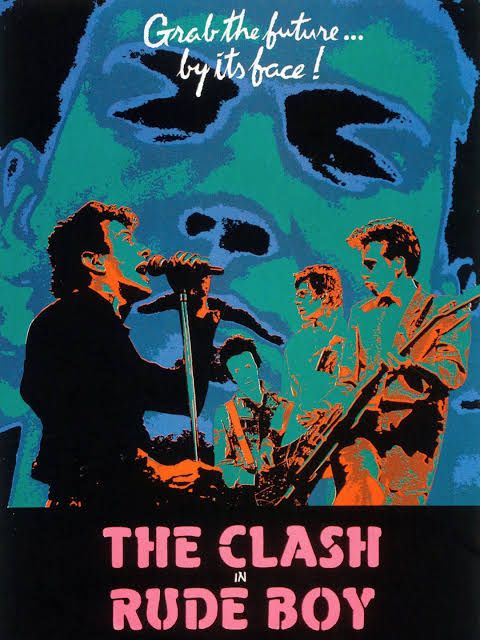
Some years later The Clash frenetically equaled him in The Palladium on 14th Street. Though still a young band they were coming into their own. Again, they hadn’t been heard much on radio, but anyone with musical antennae knew who they were. And we were all in attendance.
Joe Strummer was on fire. I had a seat in the balcony, but no one sat from the moment Saint Joe exploded on stage. I had seen many shows at the Palladium but I never felt the balcony tremble like it did that night.
About an hour into this unholy communion I grew afraid the balcony would collapse under the concerted stamping and dancing. At one point, Strummer leaped for a lighting column and climbed seven or eight rungs before spiraling splay-legged back to the stage.
And after we hurried up Union Square to Max’s Kansas City I pushed my way to the bar, but Lou Reed was already there, drink in hand, smirking at the thirsty Clash fans.
That was New York, that was Rock ‘n’ Roll, and it was beyond believable to be a part of it.