"Men No Longer Read Novels." The small headline in the bottom right-hand corner of either the Times or the Journal screamed at me.
Yes, I’m one of those luddites who still delights in receiving two newspapers at my door each morning.
Their views are different, but in my jaundiced mind they serve to keep me somewhat balanced.
The headline wasn’t news to me. I had first noticed a gender imbalance years ago while president of Irish American Writers & Artists, and doing a silent head count at one of our early salons.
It was beyond 60% women to 40% men, and I resolved to gradually turn the majority male board into a body that more closely reflected those numbers.
Graham Greene.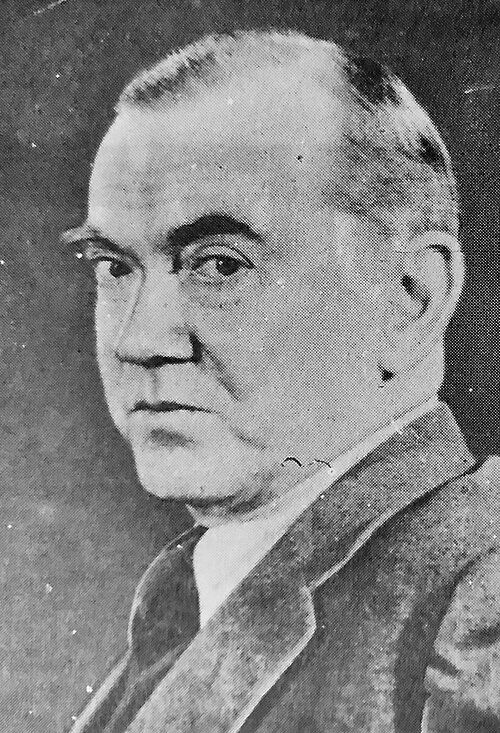
My fear nowadays is that the last word of the headline will become superfluous.
Men, of course, still read novels, but the gender imbalance can become painfully obvious at book readings or signings. Many men prefer biographies, scientific tomes, and histories. But why the scarcity of novel readers?
I’ve been shaped by the novels I’ve read, and for better or worse, I find that novels say something about the times we live in.
My first pre-teen novels were from the "Just William" series about the hilarious doings of William Brown, an unruly British 11-year old.

I became a County Wexford Library member soon thereafter, and every Wednesday evening I would borrow three books: a history or biography for my grandfather, a detective or romance for Miss Codd, our housekeeper, and something or other in the boy department for myself.
We read like demons. Everyone seemed to back in Wexford before television ruled the roost. Books were fuel for conversation, and for library members they were free.
. Scott Fitzgerald.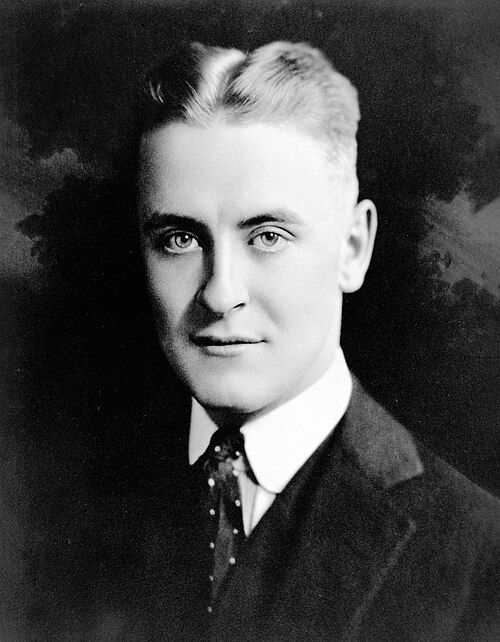
I read all of Dickens, was floored by Conan-Doyle, romanced by Jane Austen; then one blessed evening I discovered Graham Greene. The genial librarian, Miss Lucking, assumed that Greene’s existential novels were for the grown-ups. I’ve never looked back.
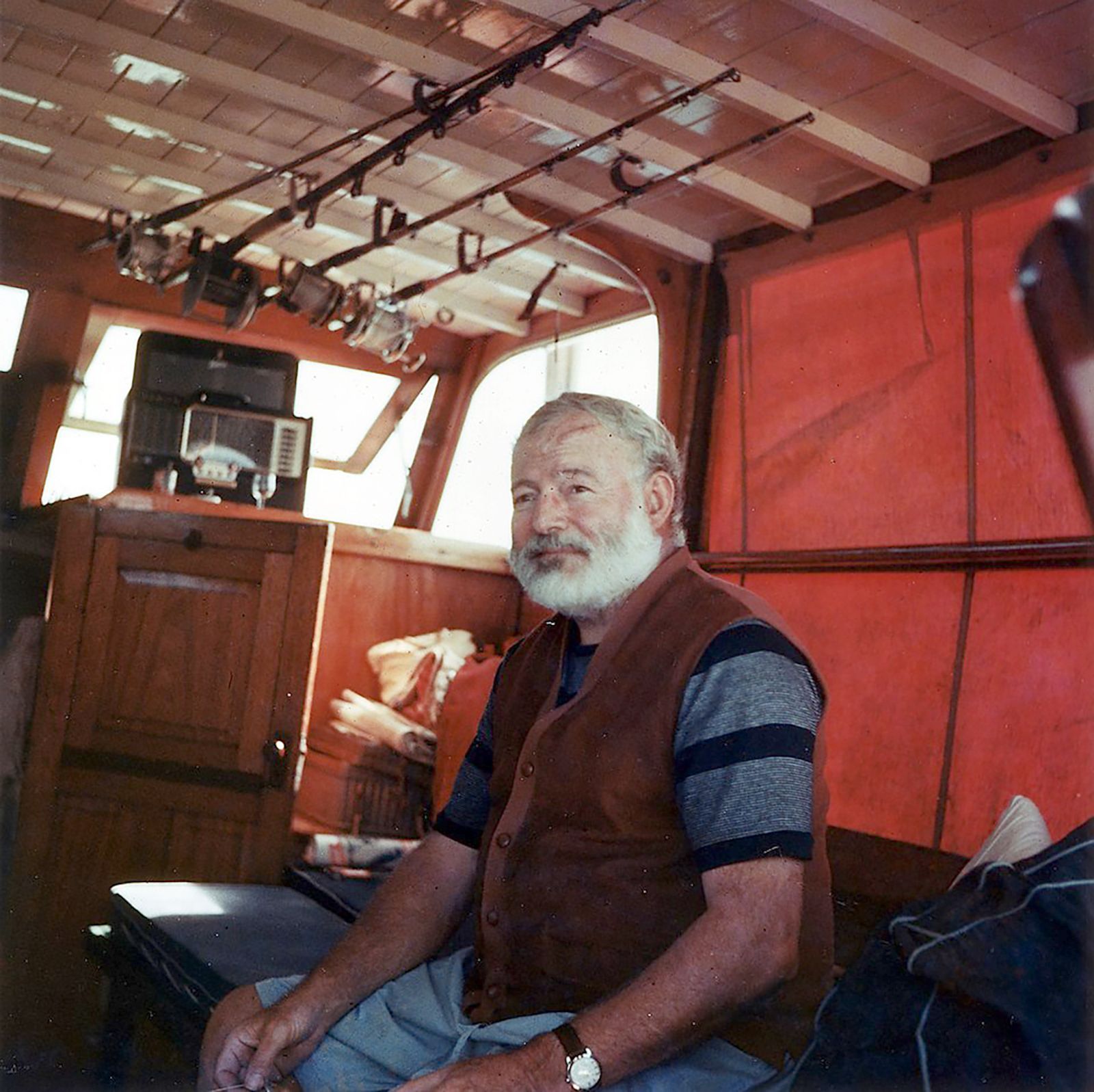
I was living in Dublin when I bought a well-thumbed paperback on Rathmines Road - "For Whom The Bell Tolls" by Ernest Hemingway. The hero of this Spanish Civil War story spoke directly to my teenage psyche – his ideals, quiet intensity and longing for justice rang true.
Hemingway’s pared, but luminous prose swept me away, and the dramatic unspoken ending still haunts me.
"Great Gatsby" is by far a better known novel, but to me there’s something hollow at its core. Perhaps I’m repelled by F. Scott Fitzgerald’s Irish Mid-Western snobbishness, or his worship of wealth? But there’s no denying it’s a hell of a story and a literary touchstone. Every American high-schooler seems to have read it, and good for them!
From the newspaper article I gather that the educational powers-that-be prefer that students read more novel extracts; that nowadays teenagers no longer have the attention-span to devote to a full novel.
What does that say about our society? It roars out that there’s an elephant in the room – Social Media.
The article was able to track the rise of Facebook and Instagram with the decline of high school reading scores.
This is scary stuff, as the writer hadn’t even taken into account the volcano that is Tik Tok, nor the nascent use of AI.
There is no doubting the instant excitement that one can find in social media as compared to the measured elevation of reading a good novel.
Still, despite all the friends and followers one can find on social media, you can almost touch the digital loneliness that’s gathering force. The streets are full of people sporting AirPods as they blankly scroll their phones. Even in bars, where conversation used to reign, people silently stare at banks of flat-screen televisions.
As for the content on social media, much of it is flippant and harmless, but sometimes I’m reminded that “the best lack all conviction, while the worst are full of passionate intensity.”
People are so convinced they’re right. Gone are the days of reasoning or subtle argument. Lies are common, bluster is the currency, everyone’s “truth” is delivered with a sledgehammer. This hardly augurs well for democracy.
Ah, it makes you long for a nice quiet read, where you’ve time to think, come to terms with character and story, while admiring the subtle workings of a thoughtful novel.
Should you wish to learn more about Irish American Writers & Artists visit https://iamwa.org. Men are welcome!